
Crocodile Chelsea Boots Care: How to Protect Texture, Shape and Finish

Condividi
Crocodile Chelsea Boots Care: How to Protect Texture, Shape and Finish
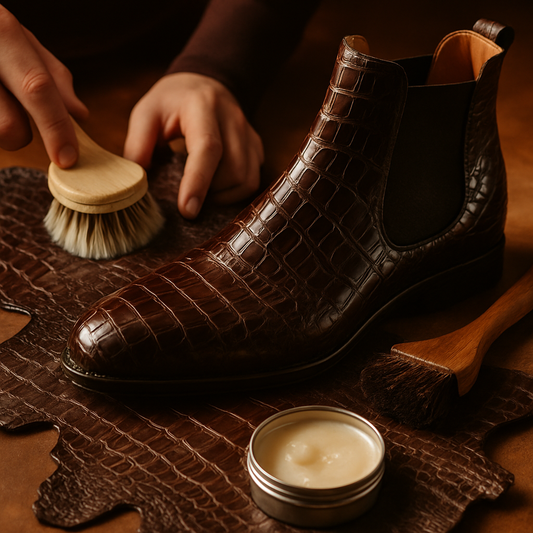
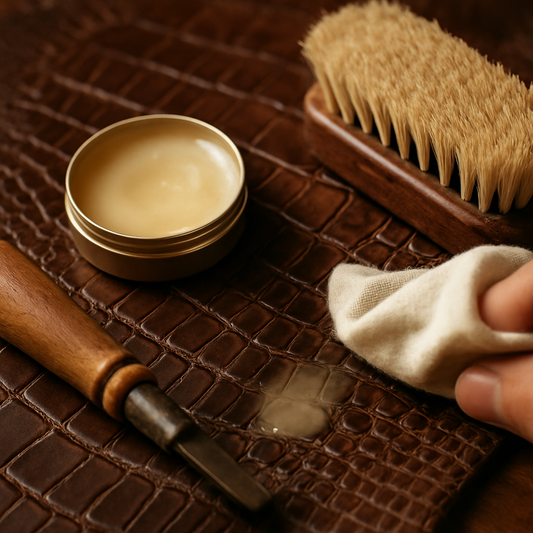
A soft, dry cloth is the safest default for removing dust from crocodile Chelsea boots without adding moisture to the leather.
Why crocodile Chelsea boots need controlled care
Crocodile leather has a textured surface made from individual scales, and the finish applied during tanning affects how that surface responds to water, friction, and cleaning products. The aim of care is to remove surface dust, limit moisture exposure, support the boot’s shape, and use products that suit the specific finish.
Crocodile belly leather commonly has a more regular, balanced scale arrangement than many flank sections. Crocodile scale layouts still vary by species and by body area, so a more irregular pattern does not automatically indicate a problem. Crocodile belly scales may also show visible integumentary sensory-organ pores, often called ISOs. These pores are a common crocodilian feature, but one visual trait alone does not prove species or authenticity.
Alligator and crocodile leather should not be treated as interchangeable terms. Alligator belly scales commonly have a regular pattern and lack the visible sensory pores associated with crocodile belly scales. An alligator hide often has an umbilical scar that crocodile commonly lacks. Scale shape alone remains an unreliable species test, particularly when leather has been heavily finished, embossed, or viewed in a photograph.
Daily cleaning: start with a dry cloth
After wearing crocodile Chelsea boots, allow loose dust to settle before wiping the uppers with a clean, soft, dry cloth. Use light passes rather than pressing into the spaces around the scales. A cloth with a tight, non-abrasive weave helps lift dust while reducing the chance of catching on raised scale edges.
Do not begin with water simply because the boots look dusty. Excess moisture can affect the finish, collect around scale edges, and make a small cleaning task harder to control. At our workshop, we recommend dry-cloth cleaning first because it removes ordinary surface dust without changing the moisture level of the leather.
For dirt that does not lift with a dry cloth, use only a product confirmed as suitable for the exact exotic leather finish. Test it on a concealed area first and follow the product maker’s instructions. Avoid household soap, alcohol-based cleaners, abrasive creams, and unverified conditioners.
What to do if crocodile leather boots get wet
If a few drops reach the boots, blot them promptly with a dry, absorbent cloth. Lift the moisture from the surface instead of rubbing across the scales. Rubbing can spread the mark and create uneven pressure on the finish.
For damp boots, remove the insoles if the construction allows it, open the elastic sides, and let the boots dry naturally in a ventilated room away from direct heat and sunlight. Radiators, hairdryers, and hot car interiors can dry leather too quickly and contribute to stiffness, distortion, or changes in the finish.
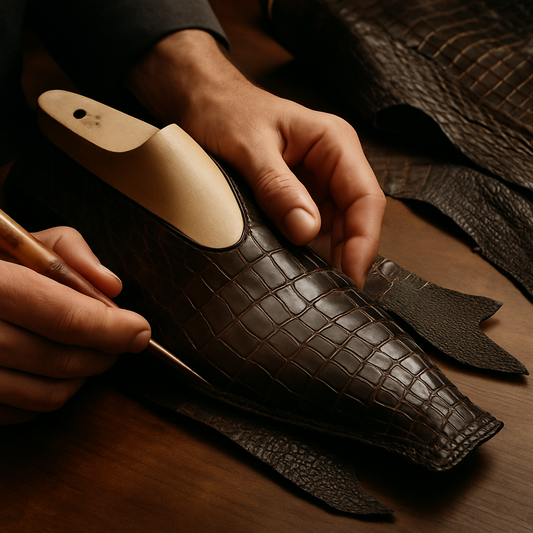
Boot trees are useful while the leather dries because they support the vamp and shaft from inside. Choose a shape that fills the boot without forcing the instep or stretching the elastic panels. If the boots are heavily soaked, contact the maker or a specialist exotic-leather repairer before applying conditioner or polish.
Protecting the shape of Chelsea boots
Chelsea boots depend on their elastic side panels and close-fitting ankle shape. Folding the shaft, storing the boots on their sides, or pushing a foot into a collapsed opening can place unnecessary stress on the leather and elastic.
- Use boot trees after wear to support the vamp and reduce deep creasing.
- Pull the boots on with a shoehorn so the heel counter does not collapse.
- Use the heel tab when putting the boots on rather than pulling directly on the elastic.
- Store each boot upright with space around the shaft.
- Keep crocodile leather boots away from damp storage areas and strong sunlight.
Boot trees should not be forced into a narrow or low-volume boot. Excessive pressure can stretch the instep and alter the fit. At CrocodileViet, we suggest matching the tree to the boot’s last because internal support works best when it follows the existing shape instead of pushing against it.
Conditioning and finish protection
Crocodile leather does not need a fixed conditioning schedule. The suitable approach depends on the tanning method, surface finish, climate, and maker’s instructions. Some finished skins need very little product, while unfinished or more absorbent surfaces may require specialist care.
Before conditioning, identify the leather and finish as accurately as possible. Use a small amount of an exotic-leather product on a concealed section, then wait for the surface to dry before judging the result. A product that works on smooth cowhide may darken crocodile leather, leave residue between scales, or change the sheen.
Keep conditioner away from elastic panels, fabric linings, and rubber soles unless the product specifically allows those materials. Do not saturate the hide. If the surface becomes tacky, unusually shiny, or visibly darker after testing, stop and seek advice from the maker or an exotic-leather specialist.
Texture: what to inspect and what not to assume
A natural crocodile hide does not have the perfectly repeating pattern associated with embossing. However, natural variation does not mean that all crocodile hides have a strongly irregular appearance. Species, belly or flank position, scale size, and tanning can all change the visual pattern.
Belly, flank, and hornback describe different hide panels or cuts rather than universal quality grades. A belly panel often gives a more balanced scale layout, while flank areas can show more variation in scale direction and spacing. Hornback includes raised dorsal features and has a different surface character from belly leather.
Grading labels differ among suppliers and tanneries. A visual grade describes selected characteristics such as scale arrangement, visible marks, panel consistency, or surface presentation; it does not by itself prove durability. Durability also depends on tanning, finishing, construction, use, and care.
Fit and sizing for crocodile Chelsea boots
Correct sizing protects both comfort and the boot’s structure. Start with foot length and width, then assess instep height, heel hold, ankle circumference, and the volume needed over the toes. Compare the maker’s chart across EU, US, and UK sizing rather than converting from one label without checking its reference system.
Wide feet may need a wider last rather than simply a longer size. A longer boot can leave excess space at the heel while still pressing across the forefoot. A high instep can also make the elastic sides feel tight during entry, even when the toe length appears correct.
For remote measurements, measure both feet at the end of the day while wearing the socks intended for the boots. Record heel-to-toe length, the widest forefoot point, instep circumference, and ankle circumference. Send the measurements with your usual EU, US, or UK size and note whether you need a wide fit or have a high instep. This gives the workshop useful information without treating a standard size conversion as a guaranteed fit.
Wear new crocodile Chelsea boots for short periods at first. This lets you check pressure across the instep, heel movement, and elastic comfort before a long day of walking.
Price factors that affect care expectations
The price of crocodile Chelsea boots reflects several concrete factors rather than a single grading label. These can include the species and legal sourcing documentation, the size and usable area of the hide, the chosen belly, flank, or hornback panel, scale presentation, tanning and finishing, sole construction, lining, hardware, workshop labor, and any requested adjustments.
Customization can also affect cost. Examples include made-to-measure sizing, a different sole, altered shaft dimensions, special lining, or hand-finished color work. Ask which features are included and which are quoted separately. If the boots are imported or shipped internationally, permit or re-export documentation may also affect the transaction. All crocodilian species are listed under CITES Appendix I or II, and requirements depend on the species, specimen, destination, and applicable exemptions.
CITES paperwork relates to regulated trade documentation; it does not by itself prove that a pair is genuine. Species identification should be assessed through the hide, construction records, supplier information, and other evidence together.
Styling crocodile Chelsea boots without stressing the leather
For business wear, pair dark crocodile Chelsea boots with tailored trousers that finish just above the vamp or fall cleanly over the boot. A belt in a compatible tone can connect the footwear to the outfit without requiring an exact color match.
For smart-casual clothing, straight-leg denim or wool trousers can leave enough room for the ankle shape to show. Avoid trouser hems that bunch heavily over the shaft, since repeated friction can add unnecessary wear to the upper.
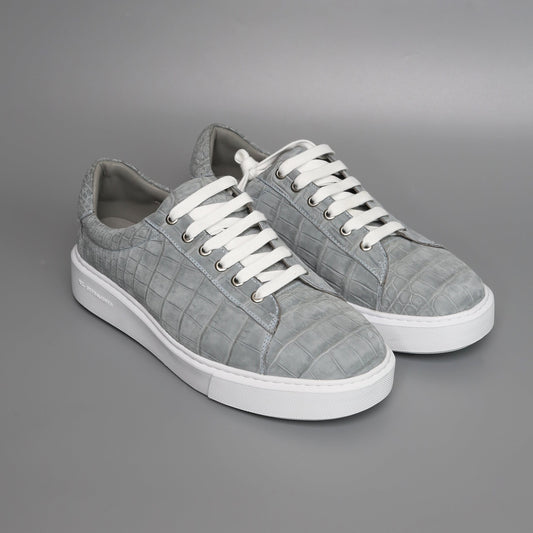
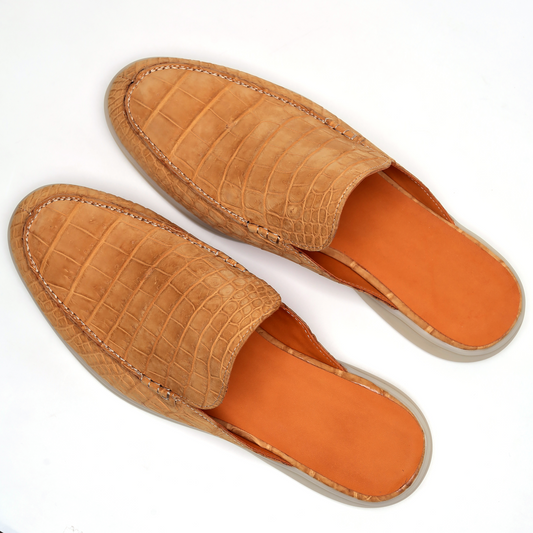
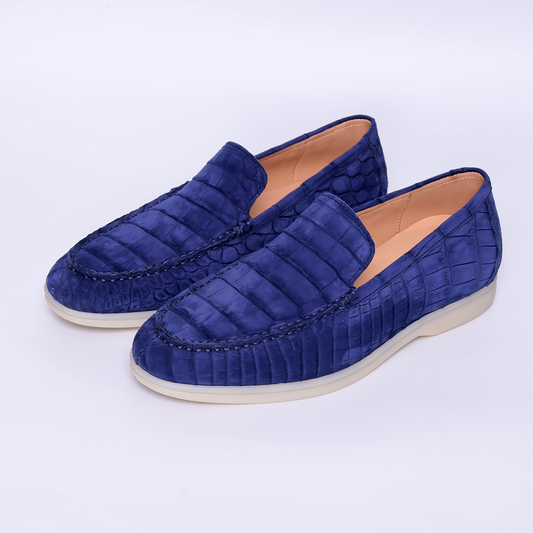
With a more textured or lighter-colored pair, keep the rest of the outfit relatively quiet: a plain knit, solid overshirt, or unpatterned jacket lets the scale layout remain visible without competing patterns. Match the formality of the boot to the setting, and consider the sole profile as well as the leather color.
For further buying context, read How to Choose Crocodile Leather Boots Men for Business Wear and 7 Things to Check Before You Buy Alligator Leather Boots Online.
Frequently Asked Questions
How should I clean crocodile Chelsea boots after ordinary wear?
Remove dust with a soft, dry cloth using light strokes. For marks that do not lift, use only an exotic-leather product confirmed for the boot’s finish and test it on a concealed area first.
Can water damage crocodile leather boots?
Moisture can affect the finish or shape, especially when the leather is saturated or exposed to direct heat while drying. Blot accidental water promptly, then let the boots dry naturally away from heat and sunlight.
Do crocodile Chelsea boots need conditioning on a fixed schedule?
No fixed schedule suits every pair. The right interval depends on the tanning method, finish, climate, and maker’s instructions, so use only a suitable exotic-leather product and avoid saturating the hide.
How can I protect the shape of crocodile Chelsea boots?
Use correctly sized boot trees, a shoehorn, and the heel tab when putting them on. Store the boots upright and avoid forcing a tree into a boot that is too narrow or low in volume.
View CrocodileViet’s crocodile Chelsea boots and other workshop-made styles in the CrocodileViet boots collection. For measurements, finish questions, or care advice, contact us through WhatsApp.