
Alligator Loafers: Style Guide for 2026–2027

공유
Alligator Loafers for 2026–2027: A Practical Style Guide
Alligator loafers are easiest to style when their scale pattern, finish, and shape are matched to the formality of the outfit rather than treated as an everyday substitute for smooth leather shoes.
What defines a well-chosen pair of alligator loafers?
Alligator loafers are slip-on shoes made from American alligator skin, usually cut from the belly section for its regular, balanced scale arrangement. “Belly” describes the part of the skin used; it does not describe a separate species. In crocodilian trade language, “skin” is the more common term, although buyers often use “hide” informally.
The central style decision is the relationship between the skin pattern and the shoe shape. A restrained penny-loafer silhouette can suit tailored trousers, while a moccasin construction with a flexible sole works more naturally with relaxed cotton trousers, denim, or travel clothing. The material remains distinctive, so the rest of the outfit usually benefits from simple colors and clean lines.
For 2026–2027, a useful wardrobe approach is to select one pair for a defined purpose:
- Office and business-casual wear: choose a neat vamp, moderate apron detail, and a firm sole in a dark or subdued color.
- Smart social occasions: a polished finish and a classic penny or tassel shape can work with wool trousers or an unstructured suit.
- Travel and relaxed wear: a softer construction, including nubuck, can pair with chinos, linen trousers, or dark denim.
- Driving use: flexible soles and rounded moccasin shapes are more suitable than rigid dress-loafer construction.
Understanding the alligator belly pattern
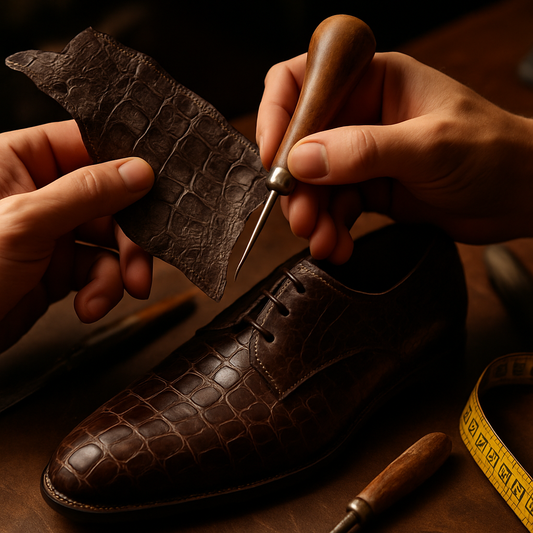
American alligator belly scales generally present a regular, balanced layout across the central panels. The pattern commonly transitions more abruptly toward smaller flank scales. That transition can help a maker position the skin on a shoe, but it does not mean every panel will look identical.
Each skin can show differences in scale size, spacing, color, scars, shading, or minor deformation. These variations are part of the material assessment. They also explain why two pairs described as alligator loafers may have noticeably different visual character even when they use similar shoe patterns.
American alligator scales lack the follicle markings seen on many crocodile skins. However, scale appearance varies by species and by individual skin, so pattern alone should not be treated as conclusive identification. Crocodile loafers for men are made from a separate material, and crocodile skins often show greater variation in scale arrangement by species, with visible sensory pores known as integumentary sensory organs, or ISOs, in many examples.
Another useful point is the umbilical area. American alligator skins often show an umbilical scar, while crocodile skin generally lacks that feature. These observations can support a material discussion, but one visual trait should not be presented as proof of authenticity.
Finish options: polished leather or nubuck?
Polished alligator leather
A polished finish emphasizes the scale outlines and gives the shoe a sharper visual presence. It is often easier to coordinate with tailored clothing because the surface reflects light in a controlled way. Dark brown, black, and deep burgundy can work with navy, charcoal, grey, and brown tailoring, while lighter shades require more deliberate coordination.
Polished alligator is not automatically more durable than nubuck. Visual grade and surface finish describe different things: grade concerns factors such as blemishes or scale condition, while finish concerns how the surface has been treated and presented.
Nubuck alligator loafers
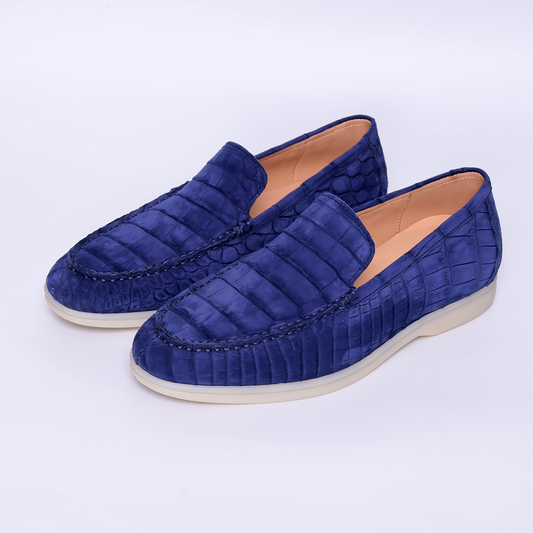
Nubuck has a softly brushed surface rather than a high-shine finish. The lower reflection can make the scale pattern feel less formal and easier to wear with suede-like textures, knitwear, cotton trousers, or casual jackets. It can also make the shoe look more relaxed than a polished pair made from the same species.
Our product focus on nubuck alligator loafers suits buyers who want the alligator scale structure without a glossy dress-shoe effect. The key point is to judge the finish according to the setting: nubuck is not simply a lower version of polished leather, and polished leather is not automatically the better option.
For more material-specific comparison, read Nubuck Alligator Loafers vs Lizard Leather: Which Is Better?
How to style alligator loafers in 2026–2027
With business clothing
Pair dark alligator loafers with trousers that finish cleanly above the shoe without excessive stacking. A navy or charcoal suit can work with black or dark brown loafers, provided the belt and other leather accessories sit in a compatible color family. With a less formal blazer and trouser combination, medium brown alligator can add texture without requiring a matching alligator belt.
For a more detailed office-focused approach, see How to Choose Crocodile Loafers For Men for Business Wear. The same clothing principles can be adapted to alligator, while keeping the species distinction clear.
With chinos and denim
Nubuck alligator loafers work well with straight or gently tapered chinos in stone, olive, navy, or tobacco. With denim, choose a clean dark or medium wash and avoid excessive distressing if the loafers have a structured upper. A plain Oxford shirt, fine-gauge knit, or unlined jacket helps keep the outfit visually balanced.
With warm-weather clothing
Alligator loafers can be worn with linen or cotton trousers, but the shoe’s finish matters. Nubuck and matte surfaces generally sit more comfortably beside textured summer fabrics, while highly polished loafers create a stronger contrast. No-show socks can work with a low-cut casual loafer, but the fit should prevent the heel from lifting or the foot from sliding forward.
Alligator driving shoes
Alligator driving shoes are best treated as a separate use case from structured office loafers. A flexible sole, soft upper, and secure heel area support short-distance driving and relaxed walking. They are less suitable for long pavement walks if the sole is designed primarily for pedal control and flexibility.
Fit and sizing: measure more than foot length
Start with the length of both feet, measured while standing. Record the longer foot and compare it with the maker’s size chart. EU, US, and UK sizes are not interchangeable labels, so use the brand’s conversion chart rather than relying on a familiar number from another shoe.
Width is equally important. Measure around the broadest part of the forefoot, then check whether the listed last is regular, narrow, or wide. A loafer that fits in length but presses across the metatarsal area can create discomfort because the foot has no laces to release pressure.
Check the instep as well. A high instep may feel restricted beneath the vamp, while a low instep can allow heel movement even when the length seems correct. The upper may soften slightly with wear, but stretching should not be treated as a substitute for correct sizing.
For remote orders, send:
- Standing foot length from heel to longest toe
- Forefoot width at the widest point
- Instep measurement around the highest part of the foot
- Your usual EU, US, and UK sizes, including the shoe brands used for comparison
- Whether you plan to wear thin dress socks, regular socks, or no-show socks
Photographs of both feet placed on paper can also help reveal differences in toe shape and width. A remote recommendation remains an estimate, so provide as much measurement information as possible before confirming a made-to-order or international purchase.
What affects the price of alligator loafers?
Price depends on several specific inputs rather than on the word “alligator” alone:
- Usable belly area: larger, cleaner central panels may reduce the need to work around visible defects.
- Skin grade: suppliers may assess scars, scratches, shading, and scale deformities differently. Grade labels are not universal across tanneries or sellers.
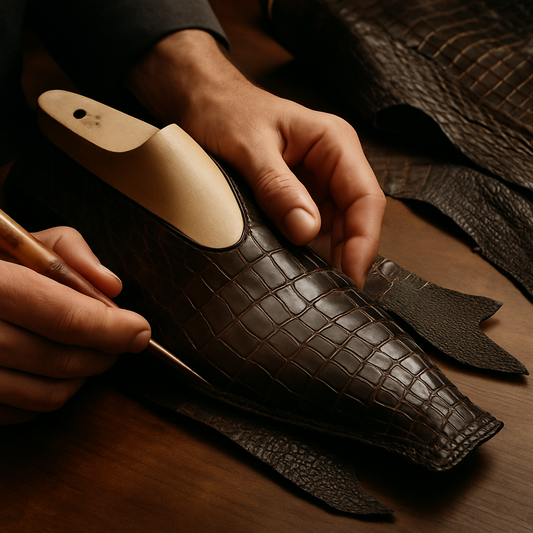
- Pattern placement: a maker must decide how the belly and flank areas align with the vamp, quarters, apron, and heel.
- Finish: polished, matte, and nubuck surfaces require different finishing approaches and create different visual results.
- Shoe construction: sole type, lining, insole, welt or moccasin construction, hardware, and finishing all affect the final cost.
- Size and material use: larger footwear can require more usable skin, while a broad last may change panel requirements.
- Traceability and shipping: American alligator skins are regulated in international trade. USFWS states that skins require a tamper-resistant CITES tag, and international shipments require applicable CITES documentation. Requirements depend on the shipment and jurisdiction.
CITES regulation supports legal traceability; it does not by itself prove that a particular pair is authentic. Ask the seller what documentation applies to the shipment and whether the product description identifies the species, material section, and finish clearly.
Care for alligator loafers
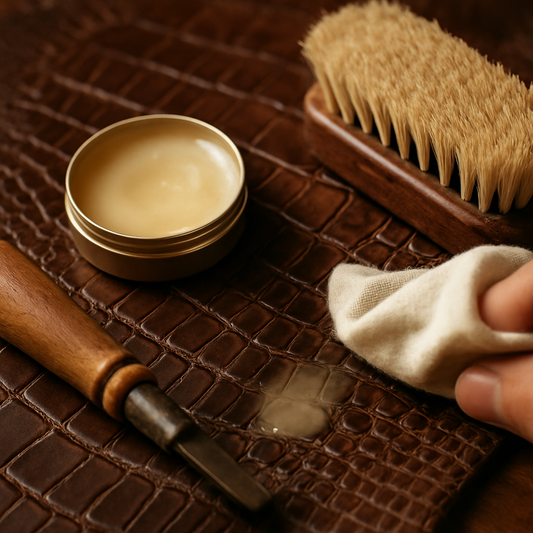
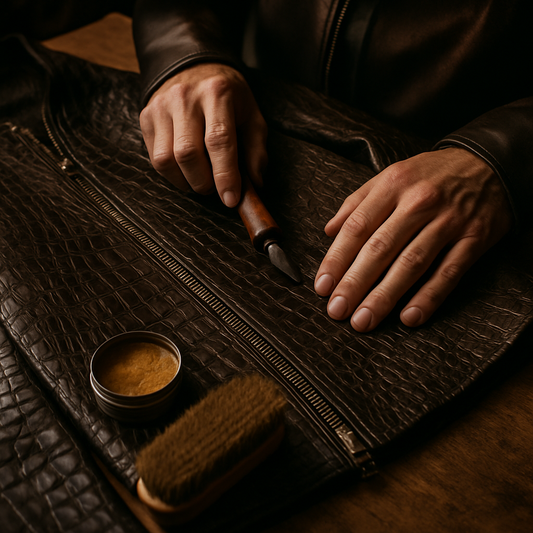
After wear, wipe the shoes with a clean, dry cloth to remove surface dust. This is the safest default because moisture, dirt, and residue can accumulate around the scale edges. Allow the pair to air in a shaded, ventilated place if it becomes damp, and keep it away from direct heat.
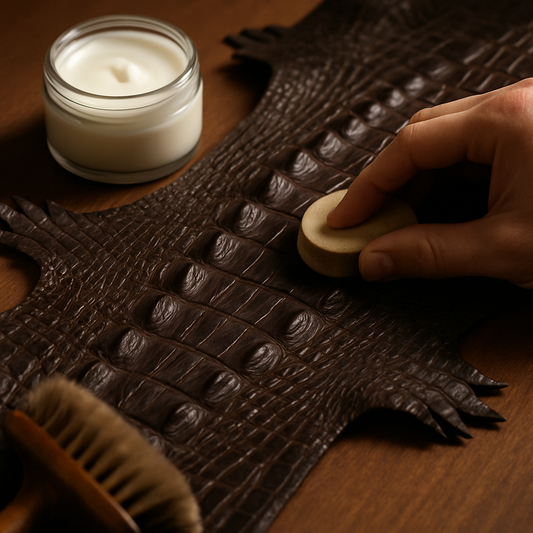
Use products only when they are confirmed as suitable for the specific finish. A cream made for smooth polished leather may change the appearance of nubuck, flatten its nap, or leave an uneven surface. Do not apply household oils, alcohol-based cleaners, or aggressive brushes without checking the finish first.
Store the loafers with adequate space so the uppers are not pressed against other footwear. A shoe tree that matches the shape of the last can help support the vamp, but excessive pressure may distort the scale panels. There is no fixed care schedule that suits every wearer; inspect the surface after use and respond to dust, moisture, or dryness as they appear.
Frequently Asked Questions
Are alligator loafers suitable for business wear?
They can suit business-casual and some formal office settings when the silhouette is restrained, the finish is controlled, and the color works with the trousers and belt. Workplace dress codes should determine whether the scale texture is appropriate.
What is the difference between alligator belly and flank leather?
Belly and flank describe sections of the same crocodilian skin. Belly scales are typically more regular and balanced, while flank scales are smaller and less suited to the central vamp when an even panel is desired.
Are nubuck alligator loafers difficult to care for?
They require finish-specific care because nubuck should not be treated like glossy smooth leather. Use a dry cloth for routine dust, avoid unapproved creams, and protect the shoes from moisture and direct heat.
How should I order alligator loafers when I cannot try them on?
Provide standing length, forefoot width, instep measurement, usual EU/US/UK sizes, and the socks you plan to wear. Mention whether you need a wide fit or have a high instep, and compare the measurements with the seller’s last and size chart.
Choosing your pair
For a polished wardrobe, prioritize a clean silhouette, balanced belly panels, and a finish that fits your usual clothing. For relaxed wear, nubuck or a flexible driving-shoe construction can make the material easier to use across chinos, denim, and travel outfits. Review the measurements, grade terminology, care requirements, and applicable shipping documentation before ordering.
View the nubuck alligator loafers from CrocodileViet for a matte slip-on option. For sizing or material questions, contact CrocodileViet through WhatsApp.