
What Makes Custom Shoe Measurements Worth Buying? Quality, Craft and Longevity

Condividi
What Makes Custom Shoe Measurements Worth Buying? Quality, Craft and Longevity
In shoemaking, bespoke shoes use a unique pattern created for one client, while made-to-measure shoes usually adapt an existing pattern to that client’s measurements.
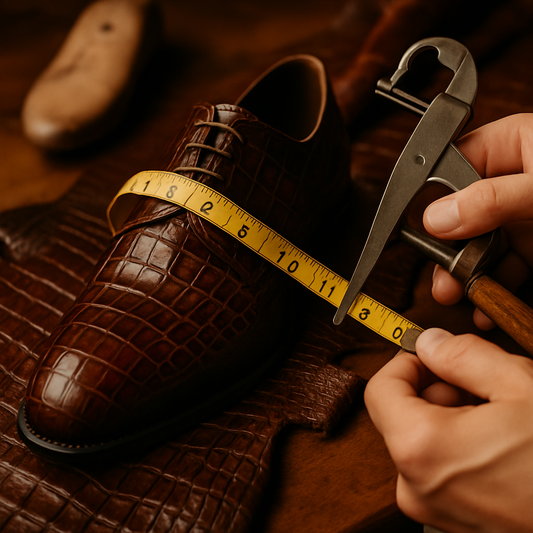
That distinction explains why custom shoe measurements can be worth paying for. Measurements affect the pattern, internal volume, foot position, and pressure distribution. They are not simply a request for a longer or wider standard size.
What custom measurements change
A standard shoe size mainly communicates approximate foot length and general width. Feet with the same length can differ in forefoot width, heel width, instep height, arch position, toe shape, and left-to-right proportions. A useful measurement record captures those differences before the pattern is cut or adjusted.
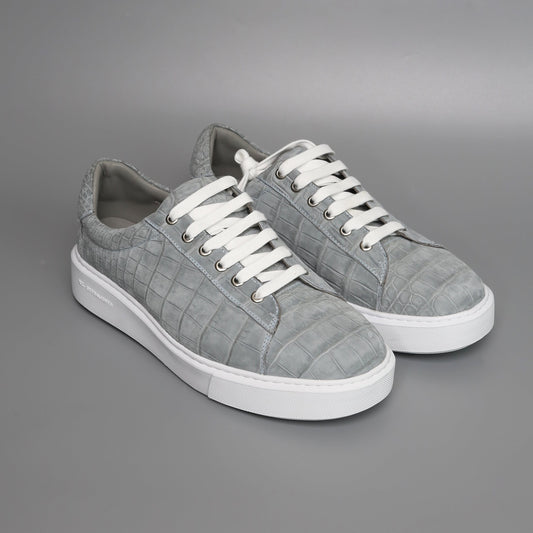
For alligator or crocodile shoes, measurements also help plan the upper. Scale direction, scale size, and the position of visible belly plates need to work with the shoe panels. Changing only the length while ignoring the instep or forefoot can create uneven tension and a poorly positioned scale layout.
Made-to-measure is often a practical middle ground: the workshop begins with a base pattern and modifies it for the customer. Bespoke work starts from a pattern made specifically for that customer and normally requires more pattern development.
Why structured leather needs careful fitting
Alligator and crocodile leather can be supple, but a finished shoe still has a structured upper, lining, insole, and sole. A poor fit can cause concentrated vamp creasing, pressure across the instep, heel slip, or rubbing at the little toe. Measurements provide more useful information than a numbered size alone.
A higher instep measurement can allow the vamp and quarters to close without excessive pressure. Separate records for each forefoot can prevent the wider foot from being forced into the narrower side of a symmetrical pattern. Heel and ankle measurements help control movement without relying on an overly tight topline.
These changes cannot remove every fit issue. Feet change during the day, socks alter volume, and different lasts place pressure in different areas. The value is in reducing predictable mismatches before the upper is completed.
Leather quality and fit are separate decisions
Custom measurements improve fit, but they do not automatically make the leather better. Leather quality and shoe fit are related purchasing decisions, not the same one.
Full-grain leather retains the outer grain layer without sanding or buffing. Top-grain is a broader term that can include full-grain leather as well as leather that has received some surface treatment. Corrected-grain leather has been more heavily sanded and may then be embossed or coated to create a more regular appearance.
For alligator and crocodile, visible grade can describe the amount, position, and severity of surface imperfections and the usable area of the hide. A higher visual grade may offer cleaner scale presentation, but visual grade is not a direct measurement of durability. Construction, leather thickness, panel placement, lining, stitching, sole attachment, and use all affect service life.
Ask which species is being used, which section of the hide supplies the panels, and how the supplier defines its grade labels. Grading terms vary between suppliers and tanneries.
Pattern placement and scale layout
Measurements matter to appearance as well as comfort. Toe length, vamp depth, facing position, and quarter shape determine where scale rows will appear. Belly leather is comparatively regular and balanced in its scale pattern, making it useful when a controlled layout is wanted. Other hide areas may show more variation in scale size or surface character.
Pattern planning determines where the main scale field sits. The same measurements can produce different visual results depending on whether a large scale row, a smaller flank area, or a natural mark falls across the vamp.
Crocodile can vary by species and may show visible sensory pores, commonly called ISOs. An umbilical scar is more commonly associated with alligator leather, but neither this feature nor sensory pores should be treated as a standalone species or authenticity test. Species identification and legal traceability require appropriate documentation.
Measurements worth recording
A useful consultation should cover more than foot length. These factors affect last or pattern selection:
| Measurement or decision | Why it matters |
|---|---|
| Overall foot length | Sets the starting size and toe allowance, but not width or instep volume. |
| Forefoot width and girth | Helps control pressure across the ball of the foot. |
| Heel width and girth | Helps limit excess movement without tightening the front of the shoe. |
| Instep height and girth | Influences vamp pressure and the amount of upper volume required. |
| Toe shape and length | Helps provide usable space rather than merely adding length. |
| Left-right differences | Allows the fit to account for feet that are not identical. |
| Socks and wearing conditions | Changes the internal volume required for different uses and climates. |
Why shoe size is only a starting point
EU, US, and UK sizes do not use the same numerical scale, and conversion charts provide only approximate equivalents. Last shape also changes the result: two shoes with the same nominal size can differ in toe room, width, and instep volume.
For a remote order, provide the size worn in several well-fitting shoes, but do not rely on that information alone. Record both feet, preferably in the intended socks, and include length, maximum forefoot width, instep girth, and heel information. A flat outline can add context, although it does not show vertical volume or how the foot loads the sole.
Where practical, in-person fitting allows assessment of heel movement, ball-of-foot pressure, instep contact, and toe space. Remote measurement remains possible when clear instructions, photographs or tracings where requested, and a discussion of fit preferences are available.
Loafer fitting and instep volume
Loafers require particular care because they do not use laces to adjust the upper. A loose loafer may lift at the heel, while one that is too short or shallow can create pressure across the instep. The opening must hold the foot without excessive tightness at the topline.
Record instep girth and height alongside length and forefoot width. Explain whether you prefer a close fit or more room, and mention any history of heel slip or vamp pressure. The pattern may then require a different amount of instep volume, opening position, or heel shaping.
Breaking in should not excuse sharp pressure or numbness. Leather may soften with use, but it does not reliably correct unsuitable length or volume.
Wide forefeet and other fit concerns
A wide forefoot is not the same as a high-volume foot. A shoe can be wide across the ball yet too low over the instep, or roomy at the instep while pressing the little toe. Adding length is not a reliable substitute for width because it moves the foot forward and can reduce heel security.
Tell the workshop if one foot is wider, if your toes need a particular shape, or if a prominent joint affects the upper. These details can influence the base last, pattern adjustment, and placement of crocodile or alligator panels.
Fit, construction and useful wear
A better fit can reduce avoidable stress, but it is not a longevity guarantee. Walking frequency, moisture, heat, flexing, storage, sole construction, and repair quality all affect service life.
Custom measurements can reduce repeated rubbing, limit excessive upper tension, and help the sole contact the ground more consistently. Construction remains equally important. Ask about the upper leather, lining, sole attachment, heel, reinforcement, repair options, usable hide area, scale matching, and handwork.
What affects the price?
Concrete cost factors can include species, usable hide area, visual grade, scale placement, number of panels, pattern adjustment, construction method, handwork, sole choice, and any fitting correction. A bespoke pattern generally involves more individual pattern work than an adjustment to an existing pattern. A complicated scale layout may also require more usable leather.
Ask for these items to be separated in the quotation so that “custom” describes measurable work rather than serving as a vague quality label.
CITES documentation may be relevant to international trade in crocodile and alligator products. CITES is a legal trade-compliance system, not a quality grade or proof of authenticity by itself. Species, source, permits, and traceability documents should be handled according to applicable regulations.
Care after fitting
Begin with a dry, soft cloth to remove dust. If a mark needs more than dry wiping, use as little moisture as possible and avoid soaking the leather, rubbing across raised scale edges, or applying an untested product. Allow shoes to dry away from direct heat and rotate pairs when possible. Follow the product maker’s care advice and test any conditioner on an inconspicuous area first.
Are custom measurements worth buying?
Custom shoe measurements are most useful when standard shoes repeatedly cause pressure, heel movement, uneven fit between the feet, or difficulty finding enough instep or forefoot volume. They also help when a controlled alligator or crocodile pattern must fit a particular shoe shape.
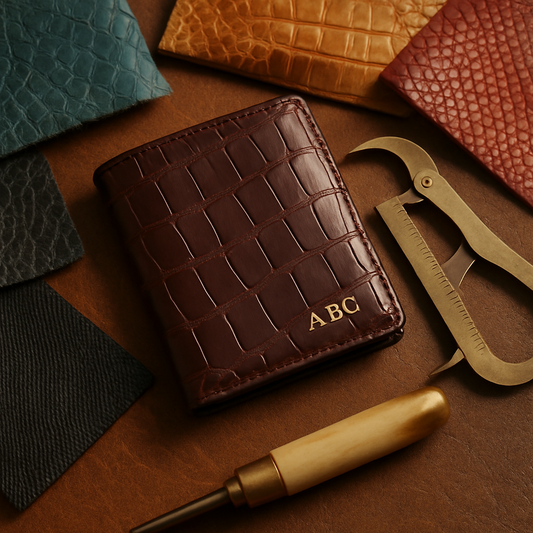
The purchase is less convincing if “custom” means only choosing a colour while the workshop uses an unchanged size and pattern. Ask whether the order is bespoke or made-to-measure, which measurements are recorded, how fitting is assessed, which leather and grade are proposed, and what the price includes.
To discuss measurements, leather options, and a custom order with CrocodileViet, visit our contact page.