
Reviving Your Prized Crocodile Leather Goods: A Step-by-Step Guide

Condividi
As the owner of Crocodile Viet, I've had the privilege of working with some of the most exquisite and durable leather goods on the market. Crafted from the finest crocodile and alligator hides, our products are designed to last a lifetime. However, even the most well-cared-for leather items can sometimes fall victim to cracks, water stains, and other signs of wear and tear.
In this comprehensive blog post, I'll share my expertise on how to effectively repair and restore your prized crocodile leather goods, ensuring they maintain their luxurious appearance and unparalleled durability for years to come.
Understanding Crocodile Leather
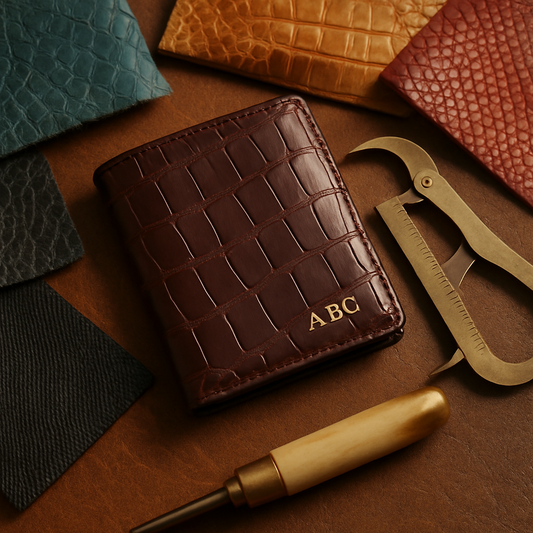
Crocodile and alligator leather are renowned for their exceptional strength, supple texture, and unique patterns. These exotic materials are highly sought after by fashion enthusiasts and luxury connoisseurs alike. However, their unique properties also require specialized care and attention to maintain their pristine condition.
Crocodile leather is known for its distinct scales and intricate grain patterns, which are the result of the animal's natural armor. This intricate structure makes crocodile leather both beautiful and challenging to work with. Proper handling and maintenance are essential to preserving the leather's integrity and preventing damage.
Identifying and Addressing Cracks
One of the most common issues that can arise with crocodile leather goods is the development of cracks. These unsightly blemishes can occur due to a variety of factors, including exposure to harsh environmental conditions, improper storage, or even normal wear and tear.
Assessing the Damage
The first step in repairing cracked crocodile leather is to carefully assess the extent of the damage. Examine the item closely, taking note of the size, depth, and location of the cracks. This information will help you determine the best course of action for addressing the issue.
Cleaning the Affected Area
Before attempting any repairs, it's essential to thoroughly clean the affected area. Use a soft, dry cloth to gently remove any dirt, dust, or debris that may have accumulated in the cracks. Avoid using water or any harsh cleaning solutions, as these can further damage the delicate leather.
Applying a Leather Filler
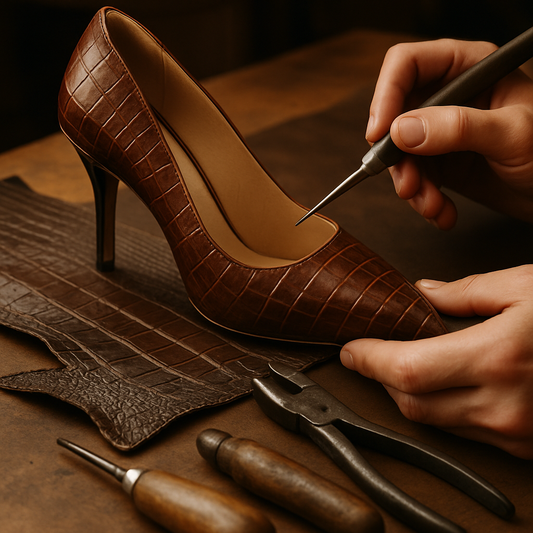
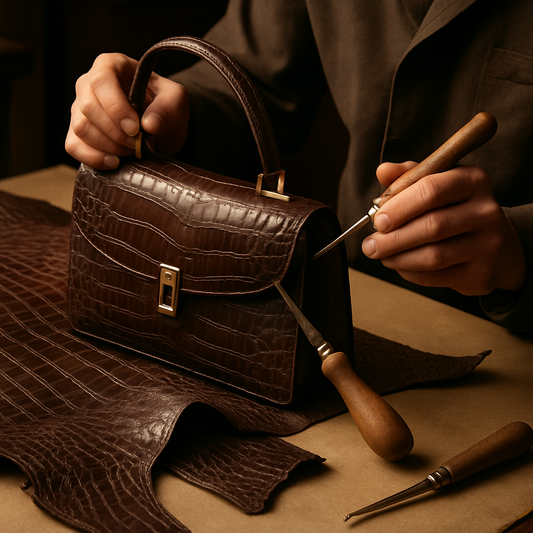
Once the area is clean, it's time to apply a specialized leather filler to the cracks. Look for a product that is specifically formulated for use on exotic leathers, such as crocodile or alligator. These fillers are designed to penetrate deep into the cracks, providing a sturdy and long-lasting repair.
Follow the manufacturer's instructions carefully when applying the filler, ensuring that it is evenly distributed and smoothed out to create a seamless finish. Allow the filler to dry completely before proceeding to the next step.
Blending and Finishing
After the filler has dried, use a fine-grit sandpaper to gently smooth the repaired area, blending it seamlessly with the surrounding leather. Be careful not to over-sand, as this can damage the delicate surface of the crocodile leather.
Once the area is smooth, apply a small amount of leather conditioner or polish to the repaired section, matching the sheen and texture of the rest of the item. This will help to restore the leather's natural luster and protect the repair from future damage.
Removing Water Stains
In addition to cracks, water stains can also be a common issue with crocodile leather goods. These unsightly blemishes can occur due to accidental spills, exposure to moisture, or even perspiration.
Identifying Water Stains
Water stains on crocodile leather can appear as discolored or dull patches on the surface of the material. They may also feel slightly stiffer or more rigid than the surrounding leather.
Blotting and Drying
The first step in removing water stains is to blot the affected area with a clean, dry cloth. Gently press the cloth onto the stain, being careful not to rub or scrub, as this can further spread the stain.
Once the excess moisture has been absorbed, allow the leather to air dry completely. Avoid using heat sources, such as a hair dryer or direct sunlight, as these can cause the leather to dry out and become brittle.
Applying a Leather Cleaner
Once the leather is fully dry, use a specialized leather cleaner to gently remove the water stain. Look for a product that is formulated for use on exotic leathers, as these are designed to be gentle and effective.
Apply the cleaner to a soft, clean cloth and gently rub it into the affected area, working in small, circular motions. Avoid applying too much pressure, as this can damage the delicate leather.
Conditioning and Protecting
After the water stain has been removed, it's important to condition the leather to restore its natural oils and prevent future damage. Use a high-quality leather conditioner and apply it evenly across the entire surface of the item, paying special attention to the repaired area.
Finally, consider applying a leather protector or sealant to the item to help prevent future water stains and other types of damage. These products create a barrier that helps to repel moisture and other environmental factors.
Maintaining Your Crocodile Leather Goods
Proper maintenance is key to ensuring the longevity and pristine condition of your crocodile leather goods. Here are some additional tips to help you keep your prized possessions looking their best:
- Store your crocodile leather items in a cool, dry place, away from direct sunlight and heat sources.
- Regularly clean and condition the leather using specialized products designed for exotic leathers.
- Avoid exposing your crocodile leather goods to water, chemicals, or other harsh substances.
- Handle your items with care, avoiding excessive bending, twisting, or other forms of stress.
- Consider having your crocodile leather goods professionally cleaned and restored every few years to maintain their optimal condition.
By following these guidelines and the repair techniques outlined in this blog post, you can ensure that your crocodile leather goods continue to look and feel their absolute best for years to come.
Conclusion
Crocodile and alligator leather are truly remarkable materials, offering unparalleled durability, beauty, and luxury. However, even the most well-cared-for leather goods can sometimes fall victim to cracks, water stains, and other forms of damage.
In this comprehensive guide, I've shared my expertise on how to effectively repair and restore your prized crocodile leather goods, ensuring they maintain their stunning appearance and exceptional quality. By understanding the unique properties of crocodile leather and following the step-by-step techniques outlined here, you can breathe new life into your cherished items and enjoy them for many years to come.
If you have any questions or need further assistance, please don't hesitate to reach out to the team at Crocodile Viet. We're always here to help you keep your luxury leather goods in pristine condition.