
Nubuck Alligator Loafers vs Lizard Leather: Which Is Better? — Part 3

Condividi
Nubuck Alligator Loafers vs. Lizard Leather: Which Is Better? — Part 3
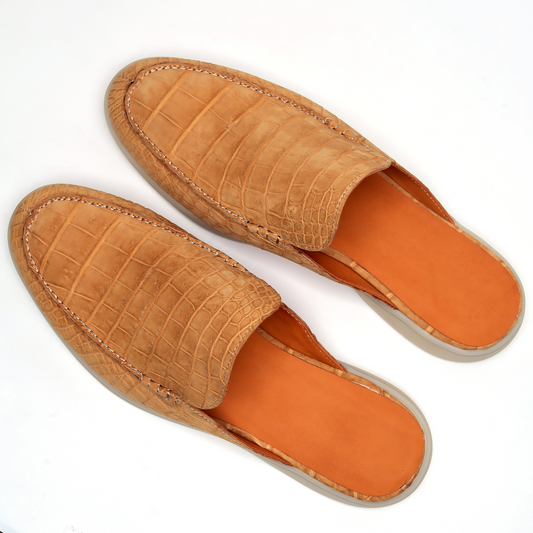
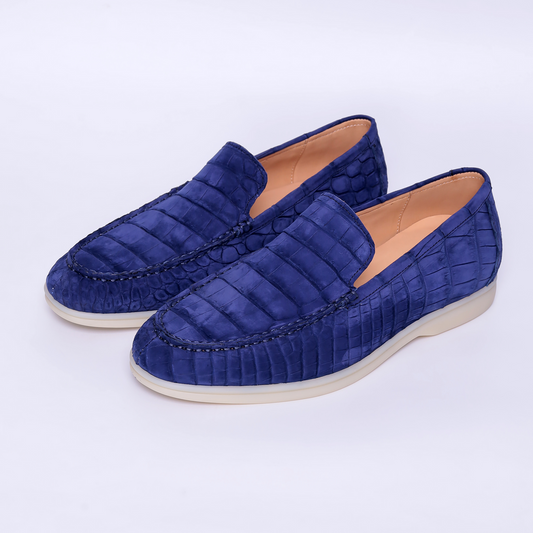
Neither material is automatically better: nubuck alligator loafers offer a short, velvety grain-side nap, while lizard leather provides a different scale structure whose appearance and performance depend on the species, tanning, and shoe construction.
What the comparison actually covers
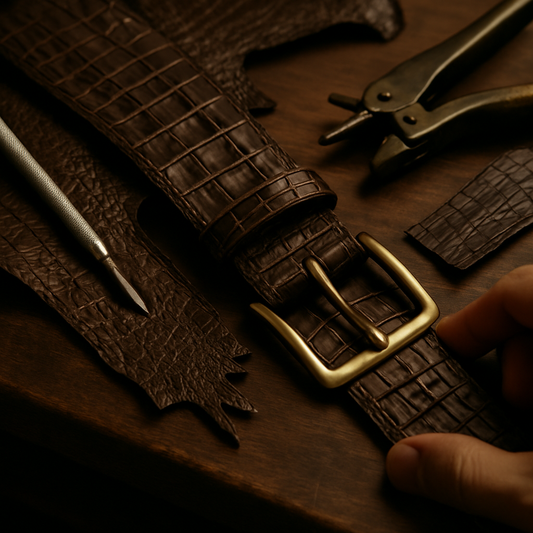
This comparison is about loafers made with nubuck alligator leather versus loafers made with lizard leather. Nubuck describes the surface finish, not a separate animal species: the grain side of the hide is buffed to create a short nap. Suede is generally produced from the flesh side or from a split, so the two finishes should not be treated as interchangeable.
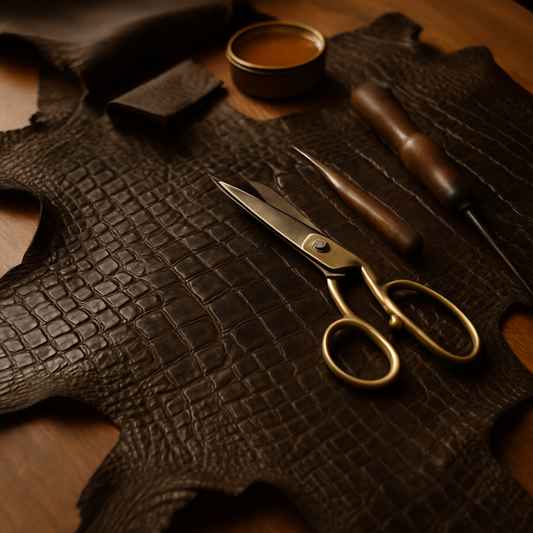
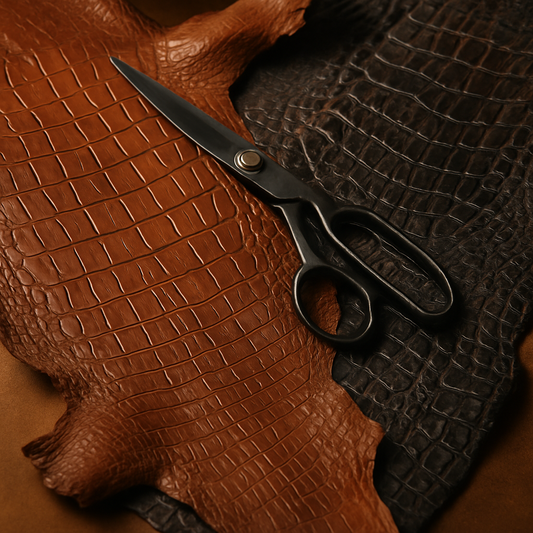
Lizard leather is a separate material category from alligator leather. “Lizard” does not identify one single scale pattern or performance level; the actual lizard species, hide size, tanning, and construction all influence the finished shoe. The same caution applies when comparing alligator with crocodile. Alligator loafers and crocodile loafers for men may look related, but the species should be identified rather than grouped under one label.
Nubuck alligator and lizard leather compared
| Factor | Nubuck alligator loafers | Lizard leather loafers |
|---|---|---|
| Surface | Grain-side leather buffed into a short nap with a soft, muted visual effect. | Usually shows the characteristic scale pattern of the particular lizard species and finish. |
| Scale appearance | Alligator belly panels tend to have a regular, balanced arrangement, although individual hides still vary. | Scale size, geometry, and row arrangement vary substantially between lizard species. |
| Visual character | Less reflective than a smooth finish, with texture created by the nap as well as the scale layout. | Often more visibly patterned, with the scales carrying much of the shoe’s visual identity. |
| Panel planning | Usable belly width, blemishes, and grade affect how much of the shoe can be cut from one section. | Hide dimensions and species-specific scale proportions affect panel placement and seam planning. |
| Care sensitivity | The nap can show pressure, liquid marks, and brushing changes, so surface care must suit nubuck. | Care depends on the finish and tanning; products intended for smooth leather may not suit every lizard surface. |
How the hide pattern affects the decision
Alligator belly leather is valued for its comparatively regular and balanced scale arrangement. The pattern is not mechanically identical from one hide to another, and small irregularities are part of working with a natural hide. A visible umbilical scar may also appear as an elongated, web-patterned area on an alligator belly.
Crocodile should not be used as a substitute word for alligator. Crocodile scales can vary more by species and may retain visible sensory pores, often called ISOs, after tanning. An alligator may show an umbilical scar that crocodile commonly lacks. These traits can support material assessment, but no single visual feature should be presented as conclusive proof of species or authenticity.
With lizard, the first useful question is the actual species. A lizard hide may have small, tightly arranged scales or a different, more pronounced geometry depending on its source. That variation means a buyer should assess the named species and the product’s construction instead of assuming that every lizard loafer has the same feel, flexibility, or wear behavior.
Does nubuck make alligator the better loafer?
Not by itself. Nubuck is a finishing method, so it does not establish a standard performance advantage over lizard leather. Shoe lifespan and comfort are also affected by the hide’s tanning, leather thickness, lining, sole, stitching or bonding, last shape, and how the shoes are worn and stored.
Nubuck alligator may suit someone who wants a softer-looking surface with reduced shine and visible scale structure. Lizard may suit someone who prefers a clearer, more graphic scale pattern. The more reliable decision is based on the actual pair: inspect the nap or scales, check the panel placement, ask which species was used, and confirm the care instructions.
Grade, usable leather, and price
Price should not be reduced to a simple “alligator costs more than lizard” rule. Important factors include the identified species, hide size, usable belly area, scale regularity, visible blemishes, finishing work, shoe construction, lining, sole materials, labor, and the amount of leather lost during cutting.
Alligator grading labels also vary by supplier or tannery. One grading system may assess defects in the midsection from a higher grade with no belly defects to lower grades with more extensive defects, while excluding the head and tail from that grade. A lower grade does not automatically make a hide unusable: a maker can cut around blemishes, and smaller goods may use pieces that would not provide a large uninterrupted panel.
For that reason, ask what the stated grade covers, whether it refers to the complete hide or only the midsection, and how much of the finished shoe uses the named exotic leather. A visual grade is not a durability rating. Construction and care still have a major role.
Fit and sizing for loafers
Loafers should be assessed by foot length and width, not by the EU, US, or UK number alone. Size conversions differ between makers, and a loafer last can feel narrower or roomier even when the labeled size appears equivalent.
- Measure both feet from heel to the longest toe and use the larger measurement.
- Record forefoot width, especially if you usually need a wide fit.
- Measure instep height if slip-on shoes often press across the top of your foot.
- Allow practical toe room without choosing a length so large that the heel lifts.
- Ask for the maker’s insole length and width when available rather than relying only on a size conversion chart.
For remote ordering, send foot measurements in centimeters together with your usual EU, US, or UK size, the width you normally wear, and notes about a high instep or wide forefoot. A paper tracing can add useful width information, but it should be measured carefully and labeled for the left and right foot.
Care for nubuck alligator loafers
Start with a dry cloth for loose surface dust. Because nubuck has a raised nap, rubbing it with a greasy conditioner or an unsuitable cream can flatten or darken the surface. Use a soft nubuck brush only when appropriate for the finish, and test any product on a concealed area before applying it more broadly.
Keep the loafers away from prolonged water exposure, direct high heat, and damp storage. If they become wet, blot rather than scrub and let them dry gradually. There is no useful fixed care schedule: inspect the nap, smell, shape, and dryness of the leather, then respond to actual wear.
Lizard leather requires equally specific care, but the suitable method depends on whether the surface is smooth, coated, matte, or otherwise finished. Follow the product’s care instructions instead of transferring nubuck products to lizard leather.
Styling the two materials
Nubuck alligator loafers work well with textured but controlled clothing: tailored cotton trousers, wool trousers, dark denim, or an unstructured jacket. A matte shoe surface can balance a sharper trouser fabric without introducing another high-shine element.
Lizard loafers can be paired with plain trousers and restrained accessories so the scale pattern remains visible without competing with multiple prints. For driving shoes, keep the overall outfit practical and use the shoe’s scale or nap as the main texture. Color, sole profile, and toe shape may matter as much as the leather category.
For business settings, the formality of the color and silhouette deserves attention alongside the hide. Read How to Choose Crocodile Loafers For Men for Business Wear for a related discussion of office-appropriate styling.
Frequently Asked Questions
Are nubuck alligator loafers more durable than lizard loafers?
Not as a general rule. Nubuck describes the grain-side finish, while durability also depends on the species, tanning, leather thickness, construction, sole, and care. A well-made lizard loafer and a well-made alligator loafer can perform differently for reasons beyond surface type.
How can I tell alligator from crocodile leather?
Alligator belly leather often has a regular, balanced scale arrangement and may show an elongated umbilical scar. Crocodile can vary more by species and may retain visible sensory pores after tanning. These clues help with assessment but should not be treated as a single conclusive authenticity test.
Does a lower alligator grade mean the loafers are poorly made?
No. Grading labels vary by supplier, and a grade may refer only to defects in a particular hide section. A maker can cut around blemishes, especially for smaller goods, while the finished loafer’s construction and fit remain separate considerations.
What measurements should I send for remote loafer sizing?
Send the longer foot’s length, both foot widths, your usual EU, US, and UK sizes if known, and notes about a wide forefoot or high instep. An insole length and width from a well-fitting shoe can also help the maker compare proportions.
Choose your pair
View the nubuck alligator loafers collection page for the product details. For remote sizing or material questions, contact CrocodileViet through WhatsApp and provide your measurements and preferred use.