
Alligator vs. Crocodile: The Ultimate Leather Showdown for Your Wrist

Condividi
It's 8:05 AM on a brisk December morning, and I'm standing outside the doors of Crocodile Viet, a shop that promises to transport me into the world of exotic leather goods. As I push open the door, the aroma of fine leather and the gleam of meticulously crafted products immediately captivate my senses.
Crocodile Viet is a veritable treasure trove of luxury, where the finest crocodile and alligator leathers are transformed into exquisite shoes, bags, watch bands, and belts. The owner, a seasoned artisan with a keen eye for detail, greets me with a warm smile and a twinkle in his eye, as if he knows the secrets of the leather world that I'm about to uncover.
"So, you're interested in the great alligator vs. crocodile debate, eh?" he says, gesturing me towards a display of stunning watch bands. "Well, you've come to the right place. Let me show you the differences between these two remarkable materials and help you decide which one is the perfect fit for your wrist."
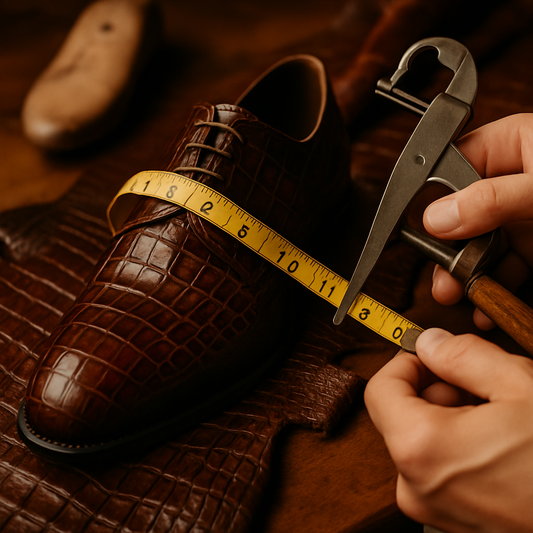
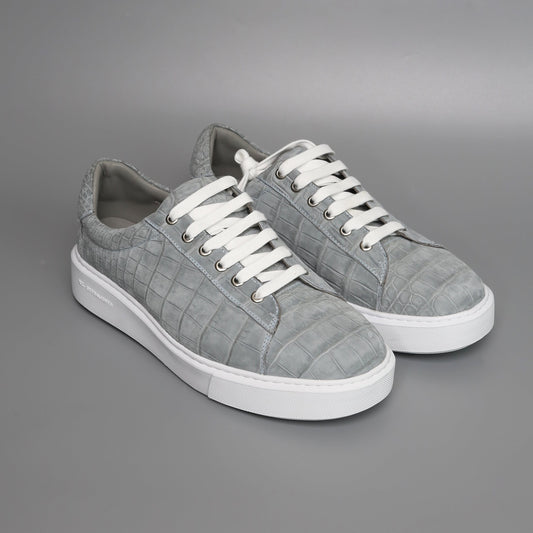
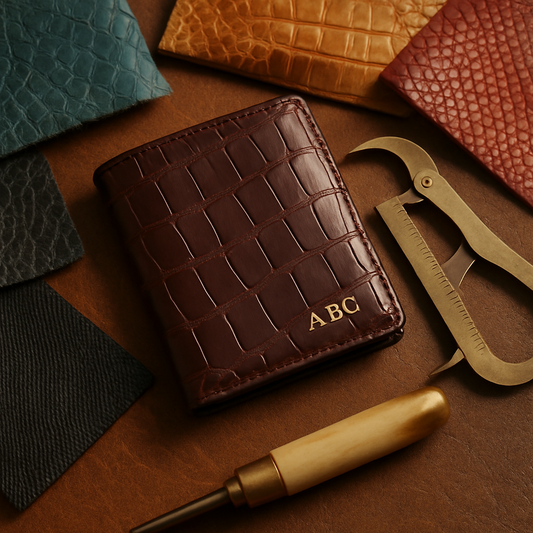
As he guides me through the shop, I can't help but be captivated by the sheer variety of textures and patterns on display. The alligator leather is smooth and supple, with a distinct grain that seems to dance across the surface. The crocodile, on the other hand, boasts a more pronounced, almost scaly appearance, with a rugged charm that exudes confidence and sophistication.
"The key difference between alligator and crocodile leather," the owner explains, "lies in the structure of the skin. Alligators have a smoother, more uniform pattern, while crocodiles have a more pronounced, segmented look. This affects not only the appearance but also the durability and feel of the leather."
He picks up a crocodile watch band, running his fingers along the intricate ridges and grooves. "Crocodile leather is generally considered more durable and resistant to wear and tear. The segmented pattern creates a natural reinforcement that helps the leather withstand the rigors of daily use."
Intrigued, I reach for an alligator strap, marveling at its silky-smooth texture. "Alligator, on the other hand, has a softer, more supple feel. It's a bit more delicate, but the luxurious hand and sheen make it a favorite among those who value a refined, elegant aesthetic."
As we delve deeper into the discussion, the owner's passion for these exotic leathers becomes increasingly evident. He shares stories of how the different tanning and finishing processes can enhance the natural characteristics of each material, creating unique and captivating products.
"You know, the value of these leathers is not just in their appearance," he says, gesturing towards a display of high-end watch bands. "Alligator and crocodile are both incredibly durable and long-lasting. With proper care, a quality strap can last for decades, becoming a cherished part of your wardrobe."
I nod in agreement, already imagining the timeless elegance of a crocodile-leather strap adorning my favorite timepiece. The owner's enthusiasm is infectious, and I find myself drawn deeper into the world of exotic leathers, eager to learn more about the nuances that set them apart.
"So, what's it going to be?" the owner asks, a mischievous grin spreading across his face. "Alligator or crocodile? The choice is yours, but I can assure you, either way, you'll be making a statement that will turn heads and leave a lasting impression."
I take a moment to consider my options, weighing the merits of each material and the unique character they bring to the table. As I make my decision, I can't help but feel a sense of excitement, knowing that I'm about to embark on a new chapter in my personal style journey, one that will be marked by the timeless elegance of exotic leather.
The Anatomy of Alligator vs. Crocodile Leather
To truly understand the differences between alligator and crocodile leather, we need to delve into the intricate details of their anatomy and structure. These two remarkable materials, while often mistaken for one another, have distinct characteristics that set them apart.
Alligator Leather: The Smooth Operator
Alligator leather is known for its smooth, uniform appearance, with a distinct grain that creates a mesmerizing pattern across the surface. This unique texture is a result of the alligator's skin structure, which features a more even distribution of scales and a less pronounced segmentation.
"The scales on an alligator's skin are smaller and more tightly packed together," explains the Crocodile Viet owner. "This gives the leather a smoother, more consistent feel, with a subtle, elegant pattern that's often described as 'piano key' or 'cathedral window.'"
This smooth, refined appearance makes alligator leather a popular choice for those seeking a sophisticated, high-end look. The supple, luxurious hand of the material also lends itself well to the creation of exquisite accessories, such as watch bands, wallets, and handbags.
Crocodile Leather: The Rugged Charmer
In contrast, crocodile leather is characterized by its more pronounced, segmented appearance, with distinct ridges and grooves that create a striking, almost scaly texture. This unique pattern is a result of the crocodile's larger, more pronounced scales, which are arranged in a more defined, overlapping pattern.
"Crocodile leather has a bolder, more rugged look," the owner notes. "The segmented pattern gives it a sense of strength and durability, making it a popular choice for those who want to make a bold statement with their accessories."
This robust, textured appearance also contributes to the exceptional durability of crocodile leather, as the segmented structure provides natural reinforcement and resistance to wear and tear. This makes crocodile leather an excellent choice for high-use items, such as watch bands and belts, where longevity and resilience are key.
The Durability Debate: Alligator vs. Crocodile
When it comes to the durability of exotic leathers, the debate between alligator and crocodile is a lively one. Both materials are renowned for their exceptional longevity, but their distinct structural differences can impact their performance in different ways.
"Crocodile leather is generally considered the more durable of the two," the Crocodile Viet owner explains. "The segmented pattern and thicker, more rigid scales provide a natural reinforcement that helps the leather withstand the rigors of daily use."
This enhanced durability makes crocodile leather a popular choice for items that are subjected to frequent wear and tear, such as watch bands and belts. The rugged, textured surface also helps to conceal minor scratches and scuffs, ensuring that the product maintains its polished appearance over time.
Alligator leather, on the other hand, is known for its soft, supple hand and refined aesthetic. While it may not be as inherently durable as its crocodile counterpart, the material can still stand the test of time with proper care and maintenance.
"Alligator leather is a bit more delicate, but it can still be incredibly long-lasting if you treat it well," the owner notes. "The key is to use high-quality conditioning products and avoid exposing the leather to excessive moisture or direct sunlight."
By following a simple care regimen, alligator leather can develop a beautiful patina over time, adding to its timeless charm and character. For those who prioritize a luxurious, elegant look, the slight trade-off in durability may be a worthwhile compromise.
Ultimately, the choice between alligator and crocodile leather comes down to personal preference and the intended use of the product. Both materials offer exceptional quality and longevity, but their distinct characteristics make them suitable for different applications and style preferences.
The Appearance Factor: Alligator vs. Crocodile
When it comes to the visual appeal of exotic leathers, alligator and crocodile each have their own unique charm and allure. The differences in their skin structures create strikingly different aesthetics, catering to a wide range of personal styles and preferences.
"Alligator leather has a more refined, elegant appearance," the Crocodile Viet owner explains. "The smooth, uniform pattern and subtle grain create a sense of understated luxury that is often associated with high-end fashion and accessories."
This refined, sophisticated look makes alligator leather a popular choice for those who value a classic, timeless aesthetic. The material's sheen and supple hand lend themselves well to the creation of luxurious watch bands, wallets, and handbags that exude a sense of refined sophistication.
In contrast, crocodile leather boasts a bolder, more rugged appearance, with its pronounced segmented pattern and textured surface. This distinctive look has made crocodile leather a favorite among those who seek to make a bold, confident statement with their accessories.
"Crocodile leather has a more striking, eye-catching appearance," the owner notes. "The segmented pattern and pronounced ridges give it a sense of strength and character that is often associated with power, prestige, and exclusivity."
This bold, dynamic aesthetic makes crocodile leather a popular choice for those who want to stand out from the crowd and make a lasting impression. The material's textured surface also lends itself well to the creation of accessories that are both visually striking and tactilely engaging.
Ultimately, the choice between alligator and crocodile leather comes down to personal style and the desired aesthetic. Both materials offer a unique and captivating visual appeal, catering to a wide range of individual preferences and fashion sensibilities.
The Value Proposition: Alligator vs. Crocodile
When it comes to the value of exotic leathers, alligator and crocodile each have their own distinct advantages and considerations. The price point of these materials can vary significantly, depending on factors such as quality, rarity, and the level of craftsmanship involved in their production.
"Alligator leather is generally considered more accessible and affordable than crocodile," the Crocodile Viet owner explains. "This is due in part to the fact that alligators are more abundant and their populations are more easily managed, which helps to keep supply and demand in balance."
However, the owner is quick to note that this does not mean alligator leather is of inferior quality. In fact, the finest alligator leathers can be just as luxurious and sought-after as their crocodile counterparts, with prices to match.
"The value of alligator leather really comes down to the quality of the hide and the level of craftsmanship involved in its processing and finishing," he says. "A high-end alligator leather product can be just as valuable and exclusive as a premium crocodile item."
On the other hand, crocodile leather is often considered the more prestigious and exclusive of the two materials. This is due in part to the relative scarcity of crocodiles and the challenges involved in their conservation and farming.
"Crocodile leather is generally more expensive and harder to come by," the owner explains. "This exclusivity, combined with the material's inherent durability and striking visual appeal, makes it a highly coveted choice for luxury accessories and high-end fashion."
Ultimately, the value of alligator and crocodile leather comes down to a combination of factors, including quality, rarity, and the level of craftsmanship involved in the production process. While crocodile may be the more prestigious and exclusive option, both materials offer a unique and captivating value proposition for those seeking the ultimate in exotic leather luxury.
Conclusion: Embracing the Exotic Leather Lifestyle
As I leave Crocodile Viet, my head swirling with the intricacies of alligator and crocodile leather, I can't help but feel a renewed sense of appreciation for the world of exotic materials. These remarkable leathers, with their distinct textures and visual appeal, offer a level of luxury and exclusivity that is truly unparalleled.
Whether you're drawn to the refined elegance of alligator or the bold, rugged charm of crocodile, embracing the exotic leather lifestyle is a journey of self-expression and personal style. It's about surrounding yourself with products that not only look and feel exceptional but also tell a story about your unique taste and preferences.
As I slip on my new crocodile-leather watch strap, I can't help but feel a sense of pride and confidence. This is more than just a simple accessory – it's a statement of my appreciation for the craftsmanship and artistry that goes into creating these remarkable materials. With each passing day, as the strap develops its own unique patina, I know that I'll be carrying a piece of history and tradition on my wrist.
So, if you're ready to embark on your own exotic leather adventure, I encourage you to step through the doors of Crocodile Viet, or any other purveyor of these remarkable materials. Immerse yourself in the world of alligator and crocodile, and let the unique character of these leathers inspire your personal style and leave a lasting impression on all who encounter you.
After all, when it comes to the ultimate in luxury and exclusivity, there's nothing quite like the timeless elegance of exotic leather.