
Alligator Leather Boots: Style Guide for 2026–2027

공유
Alligator Leather Boots: A Practical Style Guide for 2026–2027
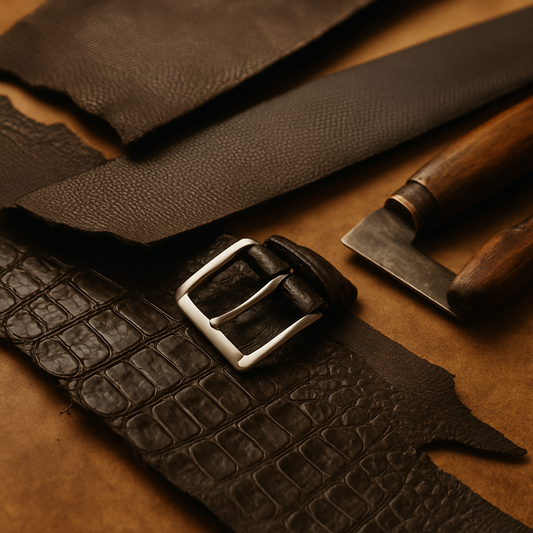
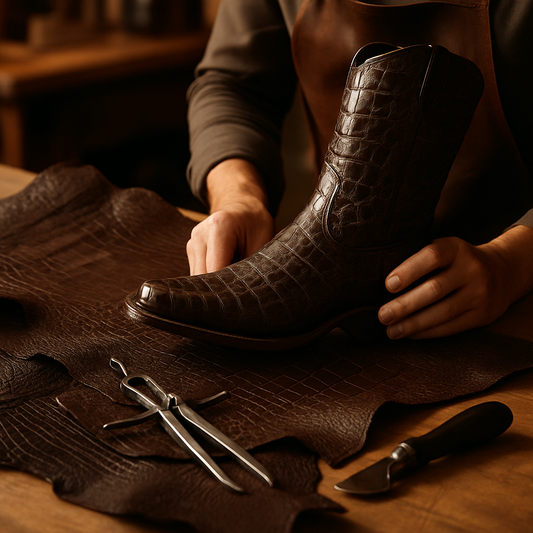
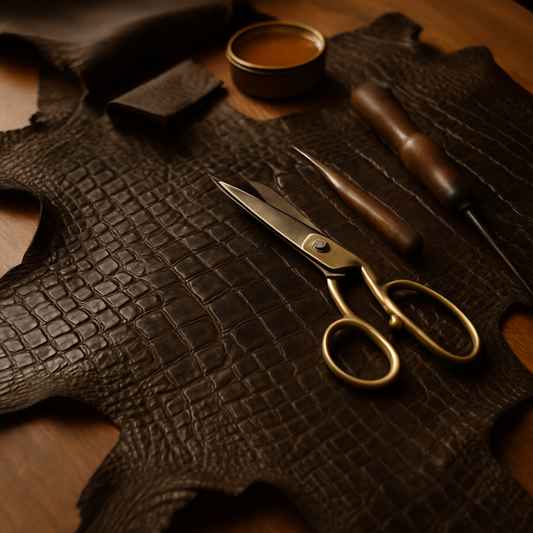
Alligator leather boots usually display the hide’s most recognizable scale pattern across the vamp, the upper section covering the forefoot.
For 2026–2027, the strongest way to wear alligator leather boots is to treat them as a structured wardrobe piece rather than an accessory that dictates every other garment. The right pair depends on the belly cut, scale placement, boot silhouette, fit, color, price factors, and the standard of care you can provide.
What Makes Alligator Leather Boots Different?
Alligator and crocodile are related materials, but they are not interchangeable labels. Alligator belly leather often has comparatively regular or balanced scale rows, while crocodile patterns can vary more by species and may show visible sensory pores, commonly called ISOs. An alligator hide may also show an umbilical scar, a feature generally absent from crocodile leather.
These visual points help with identification, but pattern alone is not a definitive species test. Some exotic-pattern boots use embossed leather, so a regular-looking scale print does not by itself prove that the material is genuine alligator.
In leather terminology, a belly cut comes from the smoother, flatter underside of the hide. A hornback comes from the ridged back section. These describe locations on the hide, not species or quality grades. Belly-cut alligator is commonly selected for boots because its flatter surface allows the scale pattern to sit across the vamp and shaft with a cleaner visual flow.
Choosing the Right Alligator Boot Cut
The cut should support the way you intend to wear the boots. A full-quart belly vamp can show broader, balanced scales across the forefoot, while smaller panels can create a quieter appearance. Scale size also changes the visual effect: larger scales tend to read more strongly from a distance, while smaller scales can work more easily with office clothing.
| Decision factor | What to look for | Where it works well |
|---|---|---|
| Vamp coverage | Broad belly-scale display across the forefoot | Jeans, tailored trousers, and evening outfits |
| Scale size | Large scales for stronger visual presence; smaller scales for a lower-key finish | Large scales suit casual or event dressing; smaller scales suit business wardrobes |
| Boot shaft | Plain leather, matching alligator, or restrained paneling | Plain shafts create easier daily combinations; alligator shafts create a more directional outfit |
| Toe shape | Almond, rounded, or square profile matched to your trousers | Almond toes work with tailored clothes; rounded toes suit denim and relaxed trousers |
| Construction details | Stitching, heel height, welt appearance, and hardware kept proportionate to the scale pattern | Subtle details make the boots easier to wear across several settings |
For a first pair, a belly vamp with a relatively restrained shaft is often easier to combine than an entire boot covered in large scales. The alligator remains visible, while the rest of the boot does not compete with a jacket, patterned shirt, or textured trousers.
Color and Outfit Combinations
Black alligator boots
Black boots work with charcoal, navy, black, and medium-grey tailoring. Pair them with trousers that fall cleanly over the shaft rather than stopping directly above it. A plain white or pale-blue shirt keeps the scale pattern central without adding another busy surface.
Brown alligator boots
Brown offers more flexibility with denim, olive, cream, tan, and navy. Dark brown boots can accompany a navy suit in less formal business settings, while medium brown works with dark denim and a wool overshirt. Match the belt broadly to the boot color, but do not treat a close shade match as mandatory when the rest of the outfit is coordinated.
Light and unusual shades
Lighter colors draw more attention to the scale structure and any natural variation in the hide. Keep the accompanying clothes relatively quiet: solid trousers, a simple knit, and a jacket without a strong pattern. If the boots are brightly colored, repeat a related tone in a small accessory rather than adding several competing colors.
How to Wear Alligator Boots for Different Settings
Business wear
Choose a moderate toe shape, dark color, and limited scale coverage. A belly vamp with a plain shaft is generally easier to place under navy, charcoal, or brown tailoring than a high-contrast design. Check the dress expectations of the workplace, since exotic leather may be accepted in one office and too conspicuous in another.
For more detailed business combinations, see How to Choose Crocodile Leather Boots Men for Business Wear.
Smart-casual wear
Dark jeans, a knitted polo, and a structured overshirt create a useful setting for alligator leather boots. Brown or black boots can work here, depending on the rest of the wardrobe. Keep the jeans hem long enough to break naturally over the boot without bunching heavily at the ankle.
Events and evening outfits
A sleeker black boot with a narrow or almond toe suits evening tailoring. If the boot has a noticeable hornback panel or a highly contrasting finish, use plain trousers and a jacket with limited texture. The goal is to let the boot serve as one intentional focal point.
Casual wear
Chunkier soles, rounded toes, and darker brown shades fit more naturally with denim, canvas jackets, and heavier knitwear. Avoid treating a dress-boot shape like a work boot: delicate soles and narrow shafts may not provide the support or visual weight expected for rough outdoor use.
Fit and Sizing: Length, Width, and Instep
Boot size must account for more than foot length. Check your length in the sizing system offered—EU, US, or UK—and confirm whether the measurement refers to a standard men’s or women’s scale. A conversion chart is useful, but it should not replace the maker’s own measurements because lasts differ between boot models.
- Length: Measure both feet and use the longer foot when choosing a starting size. Leave enough room for the toes to lie flat without allowing the heel to lift excessively.
- Width: Ask for the boot’s internal width or the available width options. Wide feet may need a broader last, not simply a longer size.
- Instep: A high instep can create pressure across the vamp even when the length is correct. Ask whether the boot has a higher-volume or lower-volume fit.
- Heel and ankle: Some initial heel movement can occur in a new boot, but excessive slipping may indicate a mismatch in last shape or volume.
- Remote measurements: Send foot length, ball circumference, instep circumference, and heel-to-ball length if requested. A traced outline and photographs can add context, but they do not replace clear measurements.
Wide-fit customers should mention width and instep before ordering rather than sizing up automatically. A longer boot can leave excess space at the toe while still pressing across the widest part of the foot.
What Determines the Price?
The price of alligator leather boots reflects several separate factors:
- Hide measurement: Alligator hides are commonly measured across the widest part of the belly. A larger usable area can support larger panels or more efficient cutting.
- Graded area: Grading generally considers the number and significance of blemishes in the area being assessed. A higher grade usually means fewer or less consequential marks in that graded area.
- Scale placement: Matching scale direction and selecting suitable sections for the vamp can affect cutting efficiency and labor.
- Boot pattern: A simple vamp and shaft require a different amount of material and assembly work from a multi-panel design.
- Last and construction: The shape of the last, sole system, heel, lining, stitching, and finishing contribute to the final cost.
- Origin and documentation: Legal sourcing and the paperwork required for international movement can affect availability and transaction costs.
Grading labels vary by supplier and tannery, and grading is not a universal, fully objective system. A higher hide grade does not guarantee better fit, longer wear, or better workmanship in a finished boot. Ask what area was graded and whether the quoted grade applies to the complete hide or only selected quadrants.
How We Approach Handmade Alligator Boots
At CrocodileViet, we manufacture our leather goods in-house. Keeping production within our workshop allows the team to assess the hide and the boot pattern together, which matters because scale placement on the vamp affects both the appearance and the efficient use of the material.
For a custom or remote order, we focus on the measurements that affect actual wear: length, width, ball circumference, instep, and the intended boot shape. This reduces the risk of choosing a size based only on a generic EU, US, or UK conversion. We also discuss the desired balance between visible belly scales and quieter leather sections because customers use these boots in different clothing settings.
Ask for specific information about the hide section, grading terminology, construction, and fit rather than relying on a single label such as “top grade” or “genuine.” Those terms do not describe every factor that determines how a boot will look or feel.
Care for Alligator Leather Boots
Start with a dry, soft cloth to remove dust after wearing the boots. Use light pressure and avoid abrasive brushes that may catch against the scale edges. Store the boots in a cool, dry place with enough room for air movement, and use a suitable shoe tree if it does not press sharply into the vamp.
Keep the leather away from prolonged water exposure, intense heat, and direct heating vents. If the boots become wet, let them dry naturally at room temperature. Do not apply ordinary smooth-leather polish automatically; reptile leather products and finishes differ, so confirm product compatibility on an inconspicuous area or with the maker before wider use.
There is no useful fixed care schedule for every wearer. Frequency depends on climate, wearing time, dust, perspiration, and exposure to moisture. A workshop or specialist can recommend a conditioning approach based on the finish and the specific leather.
Authenticity and CITES Documentation
CITES controls international trade in listed wildlife specimens and products. Permit and documentation requirements depend on the species, source, country, and transaction. Before purchasing or shipping an alligator product across borders, verify the rules for the exact product and destination with the seller and the relevant authorities.
CITES paperwork concerns regulated trade; it does not, by itself, prove that a particular piece is genuine alligator. Species details, supplier records, product descriptions, and the physical leather should be considered together. A single sensory feature, scale pattern, or visual impression is not sufficient proof of authenticity.
Frequently Asked Questions
Are alligator leather boots the same as crocodile leather boots?
No. Alligator and crocodile are different materials. Alligator belly scales are often comparatively regular and may lack the sensory pores commonly visible on crocodile belly scales, while natural variation means visual inspection alone is not a definitive species test.
Is a belly cut better than a hornback cut for boots?
Neither cut is automatically better. A belly cut comes from the smoother underside and generally gives a flatter scale display, while a hornback comes from the ridged back. The suitable option depends on the intended style, pattern, comfort, and construction.
How should I size alligator leather boots if I buy remotely?
Confirm the brand’s EU, US, or UK conversion and provide measurements for both feet, including length, width, ball circumference, instep circumference, and heel-to-ball length when requested. Mention wide-fit needs or a high instep instead of sizing up without guidance.
Does a higher alligator hide grade mean the boots will last longer?
Not by itself. A higher grade generally indicates fewer or less consequential blemishes in the graded area, but durability also depends on construction, leather thickness, wear conditions, fit, and care. Grading terms can also vary between suppliers and tanneries.
Browse CrocodileViet’s alligator and crocodile leather boot collection to compare available styles and cuts. For sizing or material questions, contact CrocodileViet through WhatsApp before ordering.