
Alligator vs Crocodile Leather Shoes: A Comprehensive Guide to Luxury Footwear

シェア
When it comes to luxury footwear, few materials command the same level of respect and admiration as genuine alligator and crocodile leather. These exotic skins have been prized by discerning fashion enthusiasts and collectors for generations, representing the pinnacle of craftsmanship, durability, and timeless elegance. At Crocodile Viet, we specialize in producing and selling high-quality shoes, bags, watch band straps, and belts crafted from the finest alligator and crocodile leather available. However, many customers often wonder about the differences between these two materials and which might be the better choice for their needs. This comprehensive guide will explore the nuances of alligator versus crocodile leather shoes, helping you make an informed decision when selecting your next pair of luxury footwear.
Understanding the Basics: What Are Alligator and Crocodile Leather?
Before diving into the specific comparisons between alligator leather shoes and crocodile leather shoes, it's essential to understand what these materials actually are. Both alligator and crocodile leather come from reptilian hides that have been processed and tanned to create durable, luxurious materials suitable for high-end fashion and accessories.
Alligator leather comes from the American alligator, scientifically known as Alligator mississippiensis. These reptiles are primarily found in the southeastern United States, particularly in Florida and Louisiana. The American alligator has been farmed for its hide for decades, making it a more readily available and sustainable source of luxury leather compared to wild-caught alternatives.
Crocodile leather, on the other hand, typically comes from various crocodile species found around the world. The most commonly used species for leather production include the Nile crocodile, saltwater crocodile, and American crocodile. Crocodile farming has also become increasingly common, particularly in countries like Thailand, Vietnam, and Australia, where controlled breeding programs ensure a consistent supply of high-quality hides.
The Visual Differences: Distinguishing Alligator from Crocodile Leather
One of the most apparent differences between alligator leather shoes and crocodile leather shoes lies in their visual characteristics. Understanding these distinctions can help you appreciate the unique aesthetic qualities of each material.
Scale Pattern and Texture
The most obvious visual difference between alligator and crocodile leather is the scale pattern. Alligator leather features a more uniform, rectangular scale pattern that is relatively smooth and consistent across the hide. The scales are typically arranged in neat rows, creating a refined and elegant appearance that many consider the epitome of luxury.
Crocodile leather, conversely, displays a more pronounced and varied scale pattern. The scales are often larger and more irregular, with a more textured appearance. Additionally, crocodile leather frequently features small osteoderms, which are bony deposits that create distinctive pits or dimples across the surface. These characteristics give crocodile leather a more rugged and exotic appearance compared to the refined elegance of alligator leather.
Color and Finish
Both alligator leather shoes and crocodile leather shoes can be dyed to virtually any color imaginable, from classic blacks and browns to vibrant hues and pastels. However, the natural color of undyed alligator leather tends to be a lighter, more uniform tan or cream color, while crocodile leather often displays a more varied, mottled appearance with darker and lighter patches.
The finish of these materials also differs slightly. Alligator leather typically takes on a smoother, more polished finish when properly treated, while crocodile leather often retains a slightly more textured, natural appearance even after finishing.
Durability and Longevity: Which Material Lasts Longer?
When investing in luxury footwear, durability is a crucial consideration. Both alligator leather shoes and crocodile leather shoes are renowned for their exceptional longevity, but there are some important differences to understand.
Strength and Resilience
Crocodile leather is generally considered slightly more durable than alligator leather due to its denser structure and thicker hide. The larger scales and more pronounced texture of crocodile leather contribute to its enhanced resistance to wear and tear. This makes crocodile leather shoes particularly suitable for individuals who lead active lifestyles or require footwear that can withstand frequent use and varied conditions.
Alligator leather, while still exceptionally durable, is slightly more delicate than crocodile leather. However, this doesn't mean alligator leather shoes are fragile or short-lived. With proper care and maintenance, a pair of high-quality alligator leather shoes can easily last for decades, developing a beautiful patina over time that many enthusiasts find highly desirable.
Flexibility and Comfort
One area where alligator leather shoes often excel is in terms of flexibility and initial comfort. The smoother, more uniform scale pattern of alligator leather allows it to be more pliable and easier to break in compared to crocodile leather. This means that alligator leather shoes may feel more comfortable during the initial wearing period, as the material adapts more readily to the shape of your foot.
Crocodile leather shoes, with their thicker and more textured hide, may require a longer break-in period. However, once properly broken in, crocodile leather shoes often provide excellent support and comfort, with the material molding to your foot's unique contours over time.
The Cost Factor: Understanding Price Differences
The price of alligator leather shoes versus crocodile leather shoes is a significant consideration for most buyers. Understanding what drives these price differences can help you determine the best value for your investment.
Availability and Supply
One of the primary factors affecting price is the relative availability of each material. American alligator farming is well-established and highly efficient, resulting in a more consistent and abundant supply of alligator leather. This greater availability generally translates to lower prices for alligator leather shoes compared to their crocodile counterparts.
Crocodile leather, particularly from premium sources like saltwater crocodiles, is often more limited in supply. Certain crocodile species are more difficult to farm or are subject to stricter regulations, which can drive up prices. Additionally, the most prized crocodile leather often comes from larger, older animals, which are less frequently available.
Processing and Tanning
The tanning and processing methods used for alligator and crocodile leather can also influence pricing. Alligator leather, with its more uniform structure, is often easier and faster to process, which can reduce production costs. Crocodile leather, with its more complex scale pattern and thicker hide, may require more specialized processing techniques, potentially increasing the final cost.
Market Demand and Prestige
Crocodile leather has long been associated with ultimate luxury and exclusivity, which has contributed to higher market demand and premium pricing. The perception of crocodile leather as more exotic and rare has created a prestige factor that allows manufacturers to command higher prices. Alligator leather, while still luxurious and highly desirable, is often perceived as slightly more accessible, which can result in more moderate pricing.
Maintenance and Care: Keeping Your Luxury Shoes in Perfect Condition
Proper maintenance is essential for preserving the beauty and longevity of both alligator leather shoes and crocodile leather shoes. While the care requirements are largely similar, there are some subtle differences worth noting.
Cleaning Your Exotic Leather Shoes
Both alligator and crocodile leather shoes should be cleaned regularly with a soft, dry cloth to remove dust and surface dirt. For more thorough cleaning, use a slightly damp cloth with lukewarm water, gently wiping the surface of the leather. Avoid using harsh chemicals or abrasive materials that could damage the delicate surface.
For stubborn stains, a specialized leather cleaner designed for exotic skins can be used. Always test any cleaning product on a small, inconspicuous area first to ensure it doesn't cause discoloration or damage.
Conditioning and Protection
Regular conditioning is crucial for maintaining the suppleness and appearance of both alligator and crocodile leather shoes. A high-quality leather conditioner specifically formulated for exotic skins should be applied every few months, or more frequently if the shoes are worn regularly or exposed to harsh conditions.
Crocodile leather, with its thicker and more textured hide, may require slightly less frequent conditioning than alligator leather. However, both materials benefit from regular conditioning to prevent drying and cracking.
Applying a protective sealant or water-resistant coating can help protect your shoes from moisture and stains. These products create a barrier on the leather surface while still allowing the material to breathe naturally.
Storage and Environmental Considerations
Proper storage is essential for preserving your luxury footwear. Alligator leather shoes and crocodile leather shoes should be stored in a cool, dry place away from direct sunlight, which can cause fading and damage. Use shoe trees or stuff the shoes with acid-free tissue paper to help maintain their shape.
Avoid storing your shoes in plastic bags or sealed containers, as this can trap moisture and promote mold growth. Instead, use breathable shoe bags or boxes that allow air circulation.
The Environmental and Ethical Considerations
As consumers become increasingly conscious of environmental and ethical issues, it's important to understand the sustainability and ethical implications of choosing alligator versus crocodile leather shoes.
Farming Practices and Sustainability
Both alligator and crocodile farming have become increasingly sustainable and regulated. In the United States, American alligator farming is strictly regulated by state wildlife agencies, and the industry has successfully maintained healthy wild populations while providing a sustainable source of leather. The farming of American alligators is considered one of the most successful wildlife conservation stories, as regulated hunting and farming have actually helped protect wild populations.
Crocodile farming practices vary depending on the country and species. In countries like Thailand and Vietnam, crocodile farming is well-regulated and has become an important economic activity. However, it's important to source crocodile leather from reputable suppliers who adhere to strict animal welfare and environmental standards.
Animal Welfare Considerations
Both alligator and crocodile farming operations are subject to animal welfare regulations in most countries. Reputable farms maintain high standards of care for their animals, ensuring they are housed in appropriate conditions and treated humanely throughout their lives.
At Crocodile Viet, we are committed to sourcing our materials from farms that adhere to the highest standards of animal welfare and environmental responsibility. We believe that luxury should never come at the expense of ethical practices.
Conservation Impact
The regulated farming of both alligators and crocodiles has had a positive impact on conservation efforts. By providing an economic incentive to protect these species, farming has helped prevent poaching and habitat destruction. In many cases, the success of farming operations has led to the recovery of wild populations that were previously threatened.
Styling Your Alligator Leather Shoes: Fashion and Versatility
Alligator leather shoes are incredibly versatile and can be styled in numerous ways to suit different occasions and personal aesthetics. Understanding how to incorporate these luxury shoes into your wardrobe can help you maximize your investment.
Formal and Business Settings
Alligator leather shoes are an excellent choice for formal occasions and professional business settings. A pair of classic alligator leather oxfords or loafers in black or dark brown can elevate any business suit and project an image of sophistication and success. The refined appearance of alligator leather makes it particularly suitable for executive-level positions and important business meetings.
For formal evening events, alligator leather dress shoes in black or burgundy can provide the perfect finishing touch to a tuxedo or formal suit. The subtle elegance of alligator leather complements formal attire without overwhelming the overall look.
Casual and Smart-Casual Wear
Alligator leather shoes are not limited to formal settings. A pair of alligator leather loafers or slip-ons can be dressed down for smart-casual occasions, paired with chinos, jeans, or casual trousers. The luxury of the material adds an element of sophistication to otherwise casual outfits, making them ideal for upscale casual events or social gatherings.
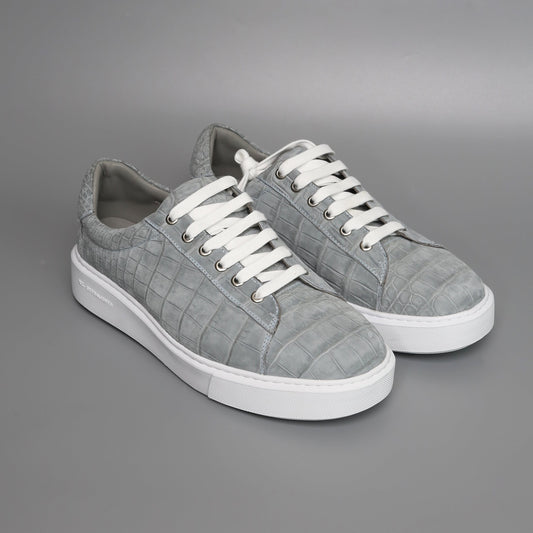
Alligator leather sneakers or casual shoes have also become increasingly popular, offering a way to incorporate luxury materials into everyday wear. These pieces allow you to enjoy the prestige and quality of alligator leather while maintaining a relaxed, contemporary aesthetic.
Color Choices and Personal Expression
While classic black and brown alligator leather shoes are timeless staples, modern fashion has embraced a wider range of colors. Burgundy, navy, and even bold colors like red or emerald green alligator leather shoes can make a striking statement while still maintaining an air of sophistication.
The choice of color should reflect your personal style and the occasions for which you plan to wear the shoes. Neutral colors like black, brown, and tan offer maximum versatility and can be paired with virtually any outfit. Bolder colors allow for more personal expression and can become signature pieces in your wardrobe.
Comparing Crocodile Leather Shoes: The Premium Alternative
While alligator leather shoes are exceptional, crocodile leather shoes represent the ultimate in luxury footwear. Understanding the unique qualities of crocodile leather can help you appreciate why many discerning customers prefer this premium material.
The Prestige Factor
Crocodile leather has long been associated with ultimate luxury and exclusivity. Owning a pair of genuine crocodile leather shoes is often seen as a status symbol, representing not only financial success but also refined taste and appreciation for the finest things in life. The prestige associated with crocodile leather makes these shoes particularly appealing to collectors and fashion enthusiasts.
Distinctive Aesthetic Appeal
The distinctive scale pattern and textured appearance of crocodile leather creates a unique aesthetic that is immediately recognizable to those familiar with luxury materials. The larger, more pronounced scales give crocodile leather shoes a bold, confident appearance that stands out from other luxury footwear options.
The natural variations in crocodile leather, including the characteristic pits and dimples created by osteoderms, add to the material's unique character. No two pairs of crocodile leather shoes are exactly alike, making each pair a truly individual creation.
Investment Value
High-quality crocodile leather shoes often appreciate in value over time, particularly if they are well-maintained and from prestigious brands. Collectors actively seek out vintage and rare crocodile leather shoes, and prices for exceptional examples can reach significant levels at auction.
This investment potential makes crocodile leather shoes not just a fashion purchase but also a potential financial investment. For those who appreciate fine craftsmanship and luxury materials, the long-term value proposition of crocodile leather shoes can be quite compelling.
The Manufacturing Process: Craftsmanship Behind Luxury Footwear
Understanding the manufacturing process behind alligator and crocodile leather shoes can help you appreciate the craftsmanship and skill involved in creating these luxury items.
Hide Selection and Preparation
The process begins with careful selection of high-quality hides. At Crocodile Viet, we source only the finest alligator and crocodile hides, selecting those with minimal blemishes and optimal characteristics for shoe production. The hides are then cleaned and prepared for tanning.
Tanning and Processing
The tanning process is crucial for transforming raw hides into supple, durable leather suitable for footwear. Both alligator and crocodile leather undergo specialized tanning processes that preserve the natural characteristics of the material while enhancing its durability and workability.
The tanning process typically involves several stages, including cleaning, soaking, pickling, tanning, and finishing. Each stage is carefully controlled to ensure consistent quality and optimal results.
Cutting and Pattern Making
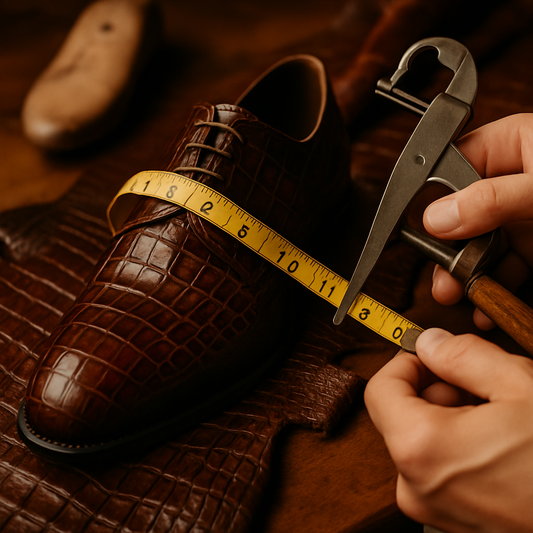
Once the leather has been properly tanned and finished, it is carefully cut into pieces according to precise patterns. Skilled craftspeople use specialized tools and techniques to cut the leather in ways that maximize the use of the hide while ensuring that the scale pattern is properly aligned on the finished shoe.
Assembly and Construction
The assembly of alligator leather shoes and crocodile leather shoes requires exceptional skill and attention to detail. Each component is carefully stitched together using specialized techniques and high-quality thread. The sole is attached using methods that ensure durability while maintaining the aesthetic integrity of the shoe.
Hand-stitching is often preferred for luxury footwear, as it allows for greater precision and quality control. Many high-end manufacturers, including Crocodile Viet, employ skilled artisans who have spent years perfecting their craft.
Quality Control and Finishing
Before a pair of alligator leather shoes or crocodile leather shoes leaves the factory, it undergoes rigorous quality control inspections. Each shoe is examined for defects, proper construction, and overall quality. Only shoes that meet the highest standards are approved for sale.
Final finishing touches, such as polishing, conditioning, and packaging, are applied to ensure that the shoes arrive in perfect condition.
Health and Comfort Benefits of Luxury Leather Footwear
Beyond their aesthetic appeal and prestige, alligator leather shoes and crocodile leather shoes offer genuine health and comfort benefits that make them worthy investments in your well-being.
Natural Breathability
Genuine leather, including both alligator and crocodile leather, is naturally breathable, allowing air to circulate around your foot. This breathability helps regulate temperature and moisture, keeping your feet comfortable throughout the day. Unlike synthetic materials, which can trap heat and moisture, natural leather allows your feet to breathe naturally.
Moisture Management
Leather has natural moisture-wicking properties that help manage perspiration. The material absorbs excess moisture from your skin and allows it to evaporate, keeping your feet dry and comfortable. This moisture management is particularly important for individuals who spend long hours