
Handmade vs Factory Made Shoes: Understanding the Difference and Why Quality Matters

공유
When it comes to footwear, consumers today face an increasingly important decision: should they invest in handmade leather slip-on shoes or opt for factory-made alternatives? This question has become more relevant than ever as the fashion industry continues to evolve, and discerning customers seek products that truly reflect their values and lifestyle. At Crocodile Viet, we believe this conversation is essential, and we're committed to helping you understand the profound differences between these two approaches to shoemaking.
The choice between handmade and factory-made shoes extends far beyond mere aesthetics. It encompasses considerations of quality, sustainability, craftsmanship, longevity, and personal values. In this comprehensive guide, we'll explore every aspect of this important decision, helping you make an informed choice that aligns with your needs and preferences.
The History of Shoemaking: From Handcraft to Mass Production
To truly understand the differences between handmade and factory-made shoes, we must first appreciate the rich history of shoemaking itself. Shoemaking is one of humanity's oldest crafts, dating back thousands of years. Archaeological evidence suggests that humans have been creating footwear for at least 40,000 years, with early shoes made from plant materials and animal hides.
Throughout the medieval period and into the Renaissance, shoemaking was a highly respected craft. Master cobblers spent years apprenticing to learn their trade, and the creation of a single pair of shoes could take weeks or even months. Each shoe was a unique work of art, tailored specifically to the individual who would wear it. The reputation of a shoemaker was paramount, and quality was never compromised.
The Industrial Revolution fundamentally changed the landscape of shoemaking. The invention of machinery and assembly line production methods allowed manufacturers to produce shoes in unprecedented quantities. While this democratized footwear and made quality shoes accessible to the masses, it also marked the beginning of a shift away from traditional craftsmanship. The personal touch, the attention to detail, and the pride of individual artisans gradually gave way to standardized processes and efficiency metrics.
Today, we find ourselves at an interesting crossroads. While factory production dominates the global market, there has been a resurgence of interest in handmade shoes among consumers who value quality, sustainability, and the human element in their purchases. This revival of traditional craftsmanship represents a conscious rejection of fast fashion and a return to values that prioritize longevity and excellence.
Understanding Handmade Leather Slip-On Shoes
Handmade leather slip-on shoes represent the pinnacle of traditional shoemaking craftsmanship. These shoes are created by skilled artisans who combine time-honored techniques with an intimate understanding of leather and design. Let's explore what makes handmade shoes truly special.
The Craftsmanship Behind Handmade Shoes
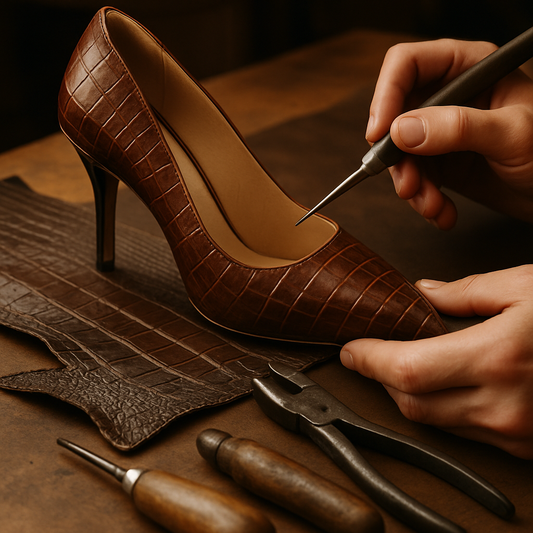
When a skilled craftsperson creates a pair of handmade leather slip-on shoes, they are engaging in a process that requires years of training and experience. Every step of the creation process is performed with intention and care. The artisan begins by selecting the finest quality leather, examining each hide for imperfections and assessing its characteristics. This initial selection process is crucial because the quality of the raw material directly impacts the final product.
Once the leather has been selected, the craftsperson cuts the various components of the shoe by hand. Unlike factory production, where cutting is done by machines following standardized patterns, handmade shoes allow for adjustments based on the specific qualities of each piece of leather. A skilled cutter can work around natural variations in the leather, ensuring that the best parts of the hide are used for the most visible and important areas of the shoe.
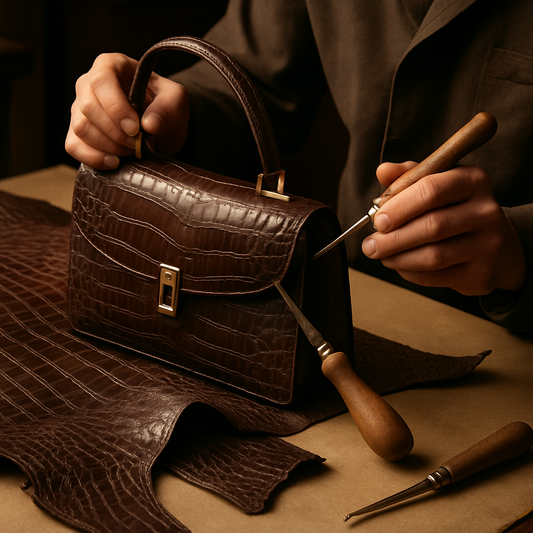
The construction of handmade shoes involves numerous techniques that have been refined over centuries. The upper part of the shoe is carefully shaped and stitched together using traditional methods. For slip-on shoes, the artisan must ensure that the shoe fits comfortably without fasteners, requiring precise measurements and adjustments. The stitching is often done by hand, with each stitch placed exactly where it needs to be for both aesthetic and functional purposes.
The sole of a handmade shoe is typically attached using traditional methods such as welting or stitching. These techniques create a strong, durable bond between the upper and sole that can last for years. Many handmade shoes can be resoled multiple times, extending their lifespan far beyond that of factory-made alternatives. This repairability is one of the hallmarks of true craftsmanship.
The Quality of Materials in Handmade Shoes
One of the most significant advantages of handmade leather slip-on shoes is the quality of materials used. Artisans who create handmade shoes typically source the finest leather available. At Crocodile Viet, we use premium crocodile and alligator leather, which is renowned for its durability, flexibility, and distinctive aesthetic appeal.
Premium leather is graded based on several factors, including the number and size of natural markings, the consistency of the grain, and the overall quality of the hide. Handmade shoemakers often select leather from the highest grades, ensuring that each pair of shoes is made from material that will age beautifully and develop a rich patina over time.
The leather used in handmade shoes is typically tanned using traditional methods that preserve the natural characteristics of the hide. These tanning processes may take longer and cost more than industrial tanning methods, but they result in leather that is more supple, breathable, and durable. The leather develops character as it ages, becoming more beautiful and comfortable with each wearing.
In addition to the leather itself, handmade shoes feature high-quality components throughout. The insoles are often made from natural materials such as leather or cork, which provide comfort and allow the shoe to breathe. The stitching thread is carefully selected for both strength and appearance. Even the smallest details, such as the heel counter and the toe box reinforcement, are crafted with precision and care.
The Customization Possibilities of Handmade Shoes
Another significant advantage of handmade leather slip-on shoes is the potential for customization. When you work directly with a skilled artisan, you have the opportunity to influence the design and construction of your shoes. This might include selecting the specific leather, choosing the color and finish, determining the sole type, or adjusting the fit to your exact specifications.
This level of customization is virtually impossible with factory-made shoes. Factory production requires standardization to maintain efficiency and profitability. Handmade shoemakers, by contrast, view each pair of shoes as a unique project, and they take pride in creating footwear that perfectly matches the vision and needs of the individual customer.
For those with specific requirements—whether due to foot shape, size, or personal aesthetic preferences—handmade shoes offer a solution that factory-made alternatives simply cannot provide. A skilled artisan can create shoes that fit perfectly, feel comfortable from the first wearing, and reflect the wearer's personal style in a way that mass-produced shoes never can.
The Reality of Factory-Made Shoes
Factory-made shoes dominate the global footwear market, and for good reason. They offer affordability, consistency, and accessibility. However, it's important to understand both the advantages and limitations of factory production.
The Manufacturing Process in Factories
Factory shoe production is a highly optimized process designed to maximize efficiency and minimize costs. The process typically begins with the design phase, where shoes are created using computer-aided design (CAD) software. These designs are standardized and used to create molds and patterns that will be used to produce thousands or even millions of identical pairs.
The cutting process in factories is performed by large industrial machines that can cut multiple layers of material simultaneously. While this is incredibly efficient, it means that there is no flexibility to work around variations in the leather or other materials. Any imperfections in the raw material are simply cut away, resulting in more waste and potentially lower quality shoes.
The assembly of factory-made shoes is typically performed by workers on an assembly line. Each worker is responsible for a specific task, such as stitching the upper, attaching the sole, or adding the heel. While this division of labor increases efficiency, it also means that no single person takes responsibility for the overall quality of the finished shoe. Quality control is performed by inspectors at various stages, but the personal accountability that exists in handmade shoemaking is absent.
The soles of factory-made shoes are typically attached using industrial adhesives and machinery. While these methods are fast and cost-effective, they often result in a bond that is not as strong or durable as traditional welting or stitching methods. Many factory-made shoes cannot be resoled, meaning that once the sole wears out, the entire shoe must be discarded.
Cost Considerations in Factory Production
The primary advantage of factory-made shoes is their cost. By utilizing machinery, standardized processes, and labor in countries with lower wage costs, manufacturers can produce shoes at a fraction of the cost of handmade alternatives. This affordability has democratized footwear and made quality shoes accessible to people across all income levels.
However, it's important to understand what you're getting for that lower price. Factory-made shoes are often designed with a specific lifespan in mind. The materials are selected based on cost rather than quality, and the construction methods are chosen for efficiency rather than durability. Many factory-made shoes are designed to be worn for a season or two before being replaced.
This approach has significant environmental and economic implications. While the initial purchase price of factory-made shoes is lower, the total cost of ownership over time may actually be higher when you factor in the need to replace shoes more frequently. Additionally, the environmental impact of producing and discarding shoes at such a high rate is substantial.
Quality Variations in Factory Production
One of the challenges with factory-made shoes is the variability in quality. While factories strive for consistency, the reality is that quality can vary significantly from one production run to another, or even within the same production run. This variability is due to numerous factors, including variations in raw materials, worker performance, and machine calibration.
Additionally, many factories produce shoes for multiple brands, often using the same facilities and processes. This means that shoes from different brands may actually be manufactured in the same factory, with the primary difference being the branding and marketing. The quality of these shoes is often determined more by the price point the brand is targeting than by any inherent difference in manufacturing capability.
The pressure to reduce costs in factory production often leads to compromises in quality. Manufacturers may use cheaper materials, reduce the number of stitches, or simplify construction methods to meet price targets. These compromises may not be immediately apparent to consumers, but they accumulate over time, resulting in shoes that wear out more quickly and provide less comfort and support.
Comparing Durability and Longevity
One of the most important factors to consider when choosing between handmade and factory-made shoes is durability. This is where the differences between the two approaches become most apparent.
The Lifespan of Handmade Shoes
Handmade leather slip-on shoes, when properly cared for, can last for decades. Many people who own handmade shoes report wearing the same pair for ten, fifteen, or even twenty years. This exceptional longevity is due to several factors.
First, the quality of materials used in handmade shoes is superior. Premium leather is more durable and develops a beautiful patina over time. The leather becomes softer and more comfortable with age, rather than deteriorating as cheaper materials do.
Second, the construction methods used in handmade shoes are designed for longevity. Traditional welting and stitching methods create a strong bond between the upper and sole that can withstand years of wear. When the sole eventually wears out, the shoe can be resoled, essentially giving it a new life. A well-made handmade shoe can be resoled multiple times, with each resoling extending the life of the shoe by several more years.
Third, the attention to detail in handmade shoes means that potential problems are addressed before they become issues. Reinforcements are placed where stress is likely to occur. Stitching is done with precision to ensure that seams won't fail prematurely. The overall construction is designed to distribute stress evenly and minimize weak points.
The Lifespan of Factory-Made Shoes
Factory-made shoes typically have a much shorter lifespan than handmade alternatives. Most factory-made shoes are designed to last for one to three years of regular wear. After this period, the materials begin to deteriorate, the sole wears through, or the upper develops problems that make the shoe unwearable.
The shorter lifespan of factory-made shoes is often intentional. Manufacturers benefit from consumers needing to replace their shoes frequently, and the fashion industry encourages this cycle through constant style changes and marketing. The business model of many shoe companies depends on customers buying new shoes regularly.
Additionally, the construction methods used in factory-made shoes often make them difficult or impossible to repair. If the sole wears out, the shoe cannot be resoled because the adhesive bond between the upper and sole cannot be separated without damaging the upper. If the upper develops problems, such as torn stitching or separated seams, repair is often not economically viable.
The Cost Per Wear Analysis
When comparing the true cost of handmade versus factory-made shoes, it's important to consider the cost per wear. While a pair of handmade shoes might cost three to five times more than a factory-made alternative, the handmade shoes will likely last three to five times longer, or even longer.
Let's consider a concrete example. A pair of factory-made shoes might cost $100 and last for two years of regular wear, which might be approximately 500 wearings. This works out to $0.20 per wear. A pair of handmade shoes might cost $400 and last for ten years of regular wear, which might be approximately 2,500 wearings. This works out to $0.16 per wear.
When you factor in the cost of replacing the factory-made shoes multiple times, the economic advantage of handmade shoes becomes even more apparent. Over a ten-year period, you might purchase five pairs of factory-made shoes at a total cost of $500, compared to one pair of handmade shoes at a cost of $400. The handmade shoes not only cost less overall but also provide superior comfort and style throughout the period.
The Environmental Impact
The choice between handmade and factory-made shoes has significant environmental implications. This is an increasingly important consideration for conscious consumers.
The Environmental Cost of Factory Production
The mass production of shoes has a substantial environmental impact. The leather industry itself has environmental concerns, including water pollution from tanning processes and deforestation for cattle ranching. However, factory shoe production amplifies these concerns through sheer volume.
The fast fashion model that dominates factory shoe production encourages consumers to buy new shoes frequently and discard old ones. This results in enormous quantities of shoe waste ending up in landfills. Shoes are not biodegradable and can take decades to decompose. The environmental cost of producing, transporting, and disposing of shoes at such a high rate is significant.
Additionally, factory production often relies on synthetic materials and industrial processes that have environmental costs. The use of petroleum-based synthetic materials, industrial adhesives, and chemical dyes all contribute to environmental pollution. The transportation of shoes from factories in Asia to markets around the world adds to the carbon footprint.
The Environmental Advantages of Handmade Shoes
Handmade shoes, by contrast, have a much lower environmental impact. Because they are designed to last for decades, fewer shoes need to be produced to meet consumer needs. This reduction in production volume directly translates to lower environmental impact.
Additionally, handmade shoemakers often prioritize sustainability in their material selection and production methods. At Crocodile Viet, we source premium crocodile and alligator leather, which is a byproduct of the meat industry. By utilizing these materials, we ensure that no animals are raised solely for their hides, and we maximize the use of each animal.
The traditional tanning and construction methods used in handmade shoemaking often have lower environmental impact than industrial processes. Natural tanning methods, while slower, produce leather that is more durable and biodegradable. The use of natural materials for insoles and other components reduces reliance on synthetic materials.
Furthermore, the ability to repair and resole handmade shoes means that they can be kept in use for decades, dramatically reducing the need for new production. This circular approach to footwear is far more sustainable than the linear model of fast fashion, where shoes are produced, worn briefly, and discarded.
Comfort and Fit Considerations
The comfort and fit of shoes is paramount, as we spend a significant portion of our lives on our feet. This is an area where handmade and factory-made shoes differ significantly.
The Comfort of Handmade Shoes
Handmade leather slip-on shoes are renowned for their comfort. This comfort comes from several sources. First, the premium leather used in handmade shoes is naturally more supple and breathable than cheaper materials. This allows the shoe to conform to the shape of your foot more naturally and provides better air circulation.
Second, handmade shoes are often made on wooden lasts that are shaped to provide optimal support and comfort. The last is the form around which the shoe is constructed, and a well-designed last takes into account the natural contours of the human foot. Skilled shoemakers understand foot anatomy and design lasts that provide support where it's needed while allowing flexibility where appropriate.
Third, the construction of handmade shoes allows for better weight distribution. The insole, upper, and sole work together to distribute your weight evenly across your foot, reducing pressure points and fatigue. This is particularly important for slip-on shoes, where the shoe must fit snugly without fasteners.
Fourth, handmade shoes improve with wear. The leather softens and molds to the shape of your foot,