
How to Clean Crocodile Leather Boots: A Comprehensive Guide to Maintaining Luxury

シェア
How to Clean Crocodile Leather Boots: A Comprehensive Guide
Crocodile leather boots are a symbol of prestige and sophistication. They exude an air of timeless elegance and are a testament to the wearer's discerning taste. However, owning these luxurious footwear pieces requires more than just admiration; it demands proper care and maintenance. Unlike ordinary leather, crocodile skin is incredibly delicate and susceptible to damage. Therefore, understanding how to clean crocodile leather boots is paramount in preserving their beauty and extending their lifespan.
This comprehensive guide will delve into the intricate world of crocodile leather boot care, equipping you with the knowledge and techniques to keep your prized possessions looking their best.
The Uniqueness of Crocodile Leather:
Before diving into the cleaning process, it's essential to understand the unique properties of crocodile leather that make it both desirable and demanding.
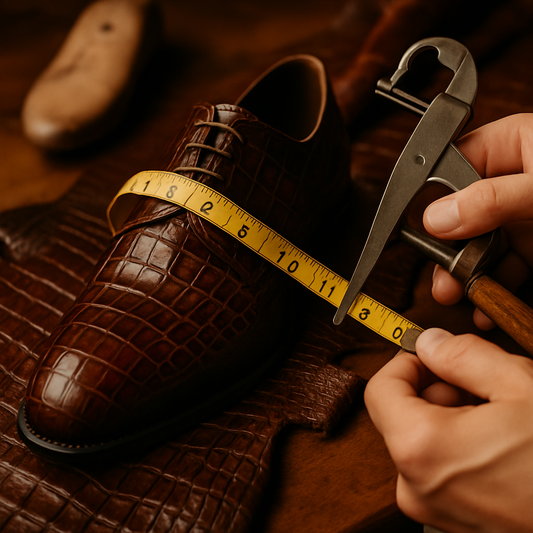
- Natural Beauty: Crocodile skin is renowned for its distinctive, intricate patterns. Each scale is a masterpiece of nature, creating a textured surface that is both aesthetically pleasing and durable. The scales, or scutes, come in a variety of sizes and shapes, depending on the species of crocodile. These intricate patterns create a unique visual appeal that sets crocodile leather apart from other types of leather.
- Durability: Crocodile leather is incredibly strong and resistant to tearing and abrasion. This inherent durability makes it an ideal choice for footwear that endures everyday wear and tear. The scales' interlocking structure provides a natural armor, protecting the underlying leather from scratches and scuffs.
- Sensitivity: While robust, crocodile leather is also delicate and susceptible to damage from harsh chemicals, excessive moisture, and improper cleaning methods. The natural oils that give crocodile leather its suppleness and water resistance can be stripped away by harsh chemicals, leaving the leather dry and brittle. Exposure to excessive moisture can also lead to mold and mildew growth, damaging the leather's integrity.
Essential Supplies for Crocodile Leather Boot Care:
To embark on your crocodile leather boot cleaning journey, assemble the following essential tools and products:
- Soft-Bristled Brush: Choose a brush with gentle bristles that won't scratch the delicate scales. Horsehair brushes are a popular choice for their softness and ability to effectively remove dirt without causing damage.
- Damp Cloth: A clean, soft cloth will be used for applying cleaning solutions and wiping away residue. A microfiber cloth is ideal due to its absorbent nature and gentle texture.
- Leather Cleaner: Select a leather cleaner specifically formulated for crocodile or exotic leathers. Avoid using harsh chemicals or detergents that can strip the natural oils and damage the leather. Look for a cleaner that is pH-balanced and free of harsh solvents.
- Leather Conditioner: While not always necessary for every cleaning, a good leather conditioner can help rehydrate and nourish the leather, keeping it supple and preventing dryness and cracking. Applying conditioner regularly can help maintain the leather's natural oils and prevent it from becoming brittle.
- Leather Protectant Spray: A leather protectant spray helps create a barrier against water, stains, and environmental damage, extending the lifespan of your boots. These sprays contain special ingredients that create a protective layer on the leather's surface, repelling water and dirt.
A Step-by-Step Guide to Cleaning Crocodile Leather Boots:
Follow these meticulous steps to ensure your crocodile leather boots are cleaned effectively and safely:
1. The Initial Brush-Down:
Begin by gently brushing the surface of your boots with a soft-bristled brush. This will remove any loose dust, dirt, or debris that has accumulated on the leather. Brush in the direction of the scales to avoid scratching them.
2. The Gentle Cleansing:
Dampen a clean cloth with a small amount of the specialized leather cleaner. Apply the cleaner to the surface of the boots, paying extra attention to areas that appear more soiled. Use gentle, circular motions, avoiding harsh scrubbing. Work the cleaner into the leather gently, allowing it to penetrate the pores and loosen dirt.
3. The Rinse and Dry:
After applying the leather cleaner, use a clean damp cloth to wipe away any residue. Allow the boots to air dry completely in a cool, well-ventilated area, away from direct sunlight or heat sources. Avoid using heat sources such as hair dryers or radiators, as this can damage the leather.
4. The Conditioning Touch (Optional):
Once the boots are fully dry, consider applying a leather conditioner. This step is particularly beneficial for older boots or boots that have been exposed to dry conditions. Apply a small amount of conditioner to a clean cloth and gently massage it into the leather, paying attention to the creases and folds. Allow the conditioner to absorb for a few minutes before wiping away any excess.
5. The Protective Shield (Optional):
After conditioning, you can enhance the boots' durability and resistance to environmental factors by applying a leather protectant spray. Spray evenly across the surface of the boots, ensuring to cover all areas. Allow the spray to dry completely before wearing the boots.
Important Tips for Maintaining Your Crocodile Leather Boots:
- Avoid Excessive Moisture: Crocodile leather is susceptible to water damage. If your boots get wet, wipe them dry immediately with a clean cloth. Allow them to air dry completely before storing them. Do not expose the boots to direct heat or sunlight, as this can cause cracking.
- No Harsh Chemicals: Never use harsh detergents, cleaning agents, or chemicals on your crocodile leather boots. These substances can strip the natural oils, leading to dryness, cracking, and damage. Avoid using alcohol, acetone, or bleach, which can permanently damage the leather.
- Proper Storage: Store your crocodile leather boots in a cool, dry place, away from direct sunlight and heat sources. If possible, use a shoe tree or boot shaper to help maintain their form and prevent creases. Avoid storing the boots in airtight containers, which can trap moisture and lead to mildew.
- Professional Cleaning: For deep cleaning or any significant stains, consider having your crocodile leather boots professionally cleaned by a reputable leather specialist. They have the expertise and specialized cleaning agents to safely restore your boots to their original splendor. They can also assess any damage and recommend the best course of action for repair or restoration.
Conclusion:
Owning crocodile leather boots is an investment in luxury and style. By understanding the unique properties of crocodile leather and following these cleaning guidelines, you can extend the lifespan of your prized possessions, ensuring they retain their exquisite appearance and value for years to come. Remember, proper care is the key to enjoying the beauty and durability of this exceptional leather.
How to Clean Alligator Leather Boots
The care and cleaning of alligator leather boots is very similar to crocodile leather boots, as they are both exotic leathers with similar properties. Alligator leather tends to have a slightly more textured surface, with more pronounced scales than crocodile leather. However, the same gentle cleaning methods and essential supplies can be used for both.
Key Considerations for Cleaning Alligator Leather Boots:
- Use a Specialized Cleaner: Always choose a leather cleaner specifically formulated for alligator or exotic leathers. Avoid using harsh chemicals or detergents that can damage the leather.
- Be Gentle with the Scales: Alligator leather scales are more delicate than those of crocodile leather, so be extra gentle when brushing and applying cleaner. Avoid scrubbing or rubbing vigorously.
- Protect Against Moisture: Alligator leather is highly susceptible to water damage, so keep your boots away from water as much as possible. If they do get wet, wipe them dry immediately and allow them to air dry completely.
Conclusion:
By understanding the unique qualities of alligator leather and following the cleaning recommendations, you can ensure that your alligator leather boots remain in top condition for years to come. Proper care is essential for maintaining the beauty and durability of these luxurious footwear pieces.