
Buying Crocodile Leather Across Borders: What CITES Paperwork to Check Before You Ship

Share
Buying Crocodile Leather Across Borders: CITES Paperwork to Check Before Shipping
Before a commercial cross-border shipment leaves, check that the required CITES export permit or re-export certificate—and any destination-country import permit—has been issued.
Why CITES paperwork matters for crocodile leather goods
CITES controls international trade in many crocodilian species and their products. For commercial crocodile leather shipping, the paperwork may apply not only to raw skins but also to finished goods when the crocodilian skin pieces remain readily recognizable.
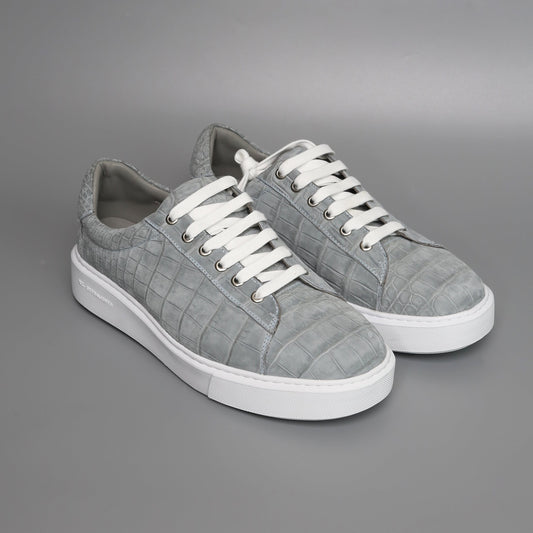
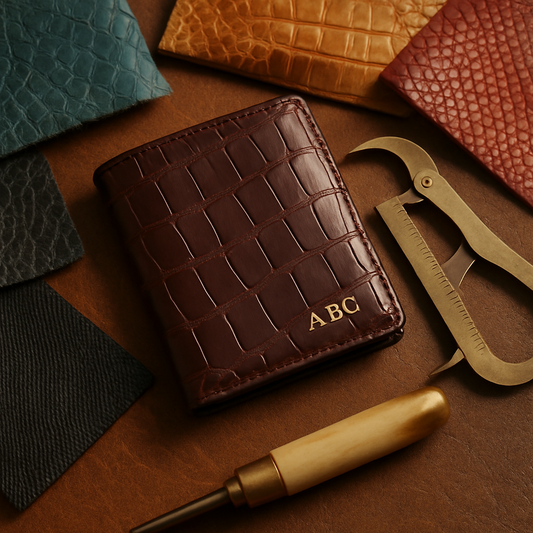
That means a wallet, belt, bag, watch strap, or pair of shoes may still need documentation even though the skin has been cut, sewn, and incorporated into a finished product. The exact requirement depends on the species, source country, destination country, shipment route, and whether the transaction is commercial.
A seller’s statement that an item is “genuine crocodile” does not replace government documentation. CITES paperwork supports lawful international movement; it is not, by itself, proof of species identity or leather authenticity.
The documents to check before shipment
For a commercial shipment, ask which document applies to the transaction and confirm that it has been issued before dispatch:
- CITES export permit: commonly relevant when the goods are being exported from the country where the applicable specimens or products are held.
- CITES re-export certificate: relevant when goods previously imported under CITES controls are being sent onward from another country.
- Destination-country import permit: some countries require the importer to obtain approval before the shipment departs. This requirement is separate from the exporter’s document.
- Commercial invoices and shipment records: these should describe the goods consistently with the CITES documents, including the product type, quantity, species information where required, and shipment details.
Do not rely on a seller’s assumption that one certificate covers every country involved. Export, re-export, and import controls can involve different authorities, and national rules may add requirements beyond the CITES document itself.
Check that the paperwork matches the goods
Before paying for crocodile leather goods or arranging collection, compare the documents with the actual order. The species, source, country information, product description, quantity, and any required tag details should correspond to the goods being shipped.
| Details to compare | What to confirm | Why it matters |
|---|---|---|
| Species | The paperwork identifies the applicable crocodilian species rather than using “crocodile” as a loose category. | Crocodile, alligator, and caiman are different species labels with different regulatory treatment in some jurisdictions. |
| Source and country | The source information and country details agree with the seller’s invoice and shipment route. | A mismatch can delay customs review or raise questions about the shipment’s legal origin. |
| Product description and quantity | The document describes the finished goods or skin pieces being shipped and lists the relevant quantity. | Recognizable crocodilian leather in finished products may still fall within documentation controls. |
| Tags or reference numbers | Any required tag information is present and corresponds to the shipment. | Authorities may use these details to connect the goods with the permit or certificate. |
CITES guidance describes non-reusable crocodilian-skin tags that can include a country code, a unique serial number, a species code, and, where applicable, the harvest or production year. Do not assume that a tag alone satisfies all import or export requirements; its information must still correspond to the relevant documents and goods.
Species identification: why the product description needs care
Leather identification should not depend on scale pattern alone. Guidance can also consider sensory-pore patterns and dermal bone structures, and those features are more useful when assessed together.
Alligator belly leather commonly has a regular, balanced scale pattern and often shows an umbilical scar. Crocodile leather can vary more by species and often shows visible sensory pores, sometimes called integumentary sensory organs or ISOs. True crocodiles may show pores on both belly and dorsal scales, while alligator and caiman belly scales lack those pores.
These visual details help distinguish materials, but one sensory trait is not proof of authenticity. A photograph may also hide pores, scars, finishing, or structural features. For a cross-border order, the species named on the invoice and permit should be consistent with the material supplied.
Do not confuse a visual grade with durability. Grading labels vary by supplier and tannery, and the cited CITES materials do not establish one universal commercial grading scale for crocodilian hides.
Personal effects are not a blanket exemption
CITES defines personal or household effects as legally acquired, privately owned, non-commercial items carried or included in personal baggage. That category is different from goods shipped for sale, resale, or business fulfillment.
A commonly used CITES personal-effects limit is four crocodilian specimens per person, but its application depends on the circumstances and the countries involved. National rules may be stricter, and a shipment arranged as commercial freight should not be treated as personal baggage simply because the quantity is small.
If you are carrying one item in luggage rather than ordering it for delivery, check the rules of both the departure and destination countries before travelling. Written confirmation from the relevant authorities is safer than relying on an informal interpretation of the exception.
Cost factors beyond the item price
The landed cost of crocodile leather goods can include more than the workshop price. Ask about:
- the export or re-export documentation process;
- destination-country import permits or brokerage charges;
- customs duty, import tax, and value-added tax;
- carrier fees for customs handling;
- inspection, storage, or return charges if documents are incomplete; and
- currency conversion and insurance for the shipment.
Request a written description of what the quoted shipping charge covers. A low freight quote may exclude destination customs charges and government permit fees.
Product details to confirm remotely
Before shipping, confirm the product’s dimensions in centimetres or inches, including length, width, depth, strap length, or belt length where relevant. For footwear, also provide the customer’s usual EU, US, or UK size, foot length, foot width, instep height, and whether a wide fit is needed. Remote measurements help the seller describe the goods accurately and reduce returns that can create additional customs complications.
Ask for photographs of the actual item and any visible identification or tag references when appropriate. Photos support the order record, but they do not replace the permits or certificates required by the authorities.
What to do if the paperwork is incomplete
Pause shipment until the responsible exporter, importer, or customs agent confirms the missing requirement. Do not ask a carrier to send the goods under a vague description such as “leather accessory” if the material is recognizable crocodilian leather.
Also check whether the documents cover the exact species and finished product rather than only a general category of leather. If the destination authority requires an import permit, obtain it before dispatch rather than waiting for the parcel to reach customs.
For an overview of shipment planning, read Cites Crocodile Leather Shipping: Complete Guide for 2026–2027.
Care after the goods arrive
Keep the invoice, permit copies, certificate references, and tag information with your purchase records. For routine care, use a dry, soft cloth to remove surface dust. Keep the leather away from prolonged moisture, direct heat, and unapproved cleaners. There is no fixed universal cleaning schedule: the right interval depends on handling, climate, and the product’s finish.
Frequently Asked Questions
Do finished crocodile leather goods need CITES documents?
They may. Finished goods can still require documentation when the crocodilian skin pieces are readily recognizable, especially in commercial cross-border shipments.
Is a CITES permit the same as proof that leather is authentic?
No. CITES documents address regulated international trade and lawful movement. They should match the species, source, country, and goods, but one document or visual trait does not independently prove authenticity.
Can I use the personal-effects exception for crocodile goods I am shipping to a customer?
Generally, do not assume so. The personal-effects category concerns legally acquired, privately owned, non-commercial items carried or included in personal baggage. Goods shipped for sale may fall outside that category.
What should I check if a crocodile product is described only as “exotic leather”?
Ask for the specific species, source information, product description, quantity, and applicable permit or certificate details. “Crocodile,” “alligator,” and “caiman” are not interchangeable labels for documentation purposes.
Review the applicable requirements and shipment information in CrocodileViet’s shipping policy before placing an international order. You can also contact CrocodileViet through WhatsApp to discuss the product description and paperwork questions for your destination.